A Lawsuit Claims Meta Used AI to Pick Who Gets Fired. Here's Why That Should Concern Every Worker.
Twenty-six former Meta employees allege AI-driven scoring systems selected them for layoffs, targeting workers with disabilities and protected leave. Here's what it means.
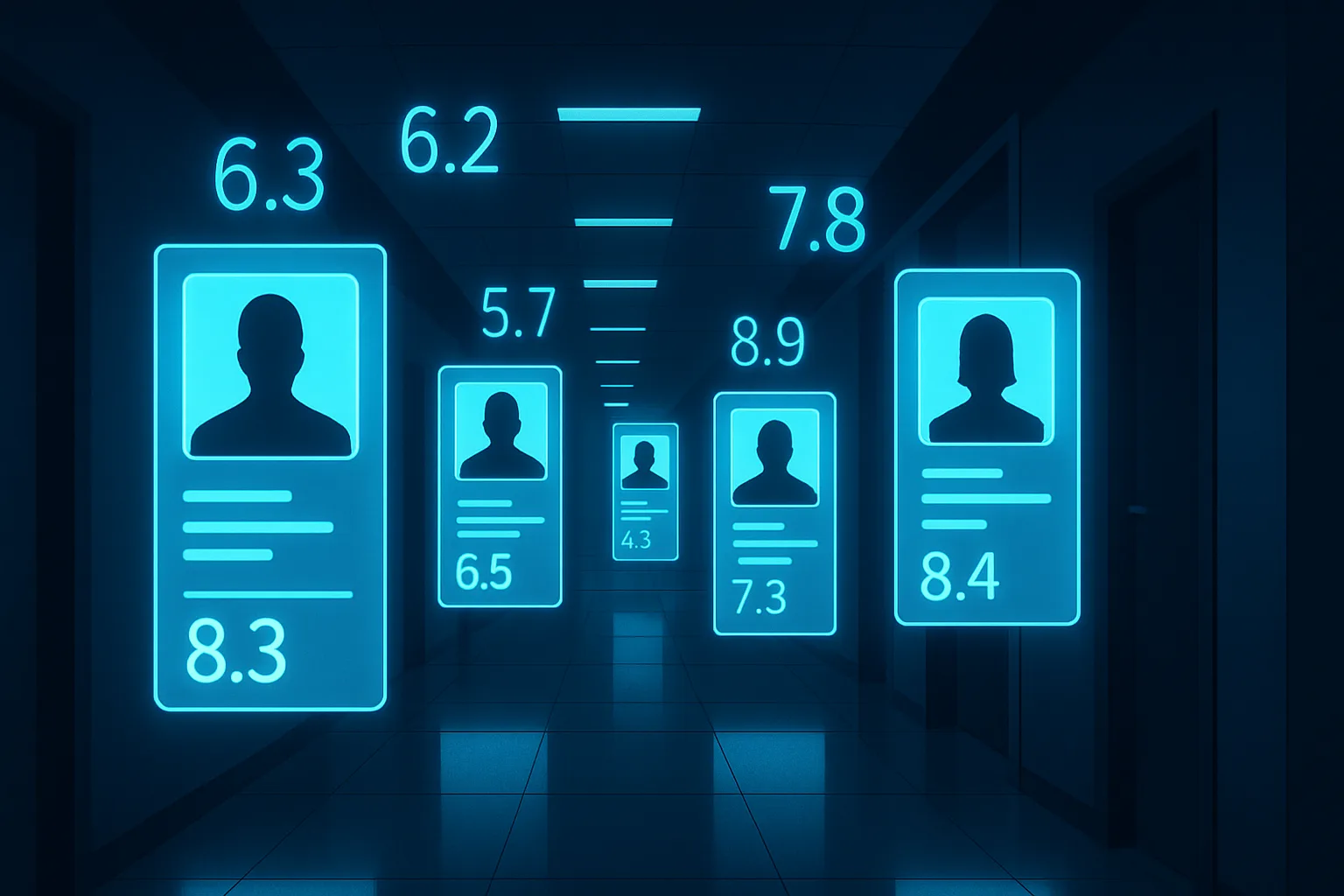
A group of 26 former Meta employees filed a lawsuit this week alleging that the company didn't use humans to decide who got laid off. They say AI did it.
The complaint is specific. It alleges that Meta deployed AI-driven scoring and monitoring systems to evaluate employees, and that those systems disproportionately targeted workers with disabilities or people who had recently taken protected medical, family, pregnancy, or parental leave. If the allegations hold up, this isn't just an HR story. It's a liability story, a civil rights story, and a warning shot at every company quietly using algorithmic tools to make workforce decisions.
What the Lawsuit Actually Claims
The former employees aren't arguing that AI made a bad recommendation that a human then overruled. They're arguing the process was effectively automated, with algorithmic scoring driving termination decisions without meaningful human review at the critical step.
The specific harm alleged is disparate impact. Workers who had taken legally protected leave, or who had documented disabilities, ended up disproportionately flagged by whatever scoring criteria the system used. That's the crux. If an AI system penalizes someone for periods of reduced output or changed work patterns, and those periods correspond directly to protected medical or family events, you've built a discrimination machine. It doesn't matter that the system didn't "know" about the leave. The outcome is what courts look at.
Meta hasn't admitted any of this. The company's standard position is that layoff decisions involve managers and structured processes. But the employees' accounts, and the pattern they describe across 26 separate cases, paint a different picture.
Why This Is Bigger Than Meta
Every major tech company, and plenty outside tech, now uses some form of algorithmic performance management. Productivity scores, ticket velocity, call handle times, code commit frequency, meeting attendance metrics. These systems feed dashboards. Managers use those dashboards. Sometimes they use them heavily.
The legal problem isn't that AI exists in these processes. It's when AI output replaces the judgment step rather than informing it. Courts have been consistent on this in employment discrimination cases: you can use tools to surface data, but the decision has to involve a human who can weigh context. A system that ranks employees and automatically generates a termination list, with a manager who simply approves it, probably doesn't clear that bar.
There's also the disparate impact doctrine under employment discrimination law, which doesn't require proof of intent. If a neutral-seeming system produces outcomes that consistently harm a protected class, the employer has to justify it. "The algorithm said so" is not a justification courts have accepted.
This matters beyond the US. Similar frameworks exist under the EU AI Act, which now classifies AI systems used in employment decisions as high-risk, requiring human oversight, audit trails, and transparency to affected workers. Companies operating across jurisdictions have two different regulatory guns pointed at this practice simultaneously.
The Governance Gap Nobody Wants to Talk About
Here's the thing that makes this case interesting beyond the legal specifics. Most companies that use AI in HR contexts have not built the governance layer that would protect them.
They bought software. Eightfold AI, HireVue, Paradox, and other platforms offer AI-assisted talent management tools, and the sales pitch is efficiency. Faster screening, better matching, data-driven decisions. The tools themselves often include disclaimers about human oversight. What companies do with those disclaimers varies enormously.
What the Meta lawsuit exposes is the gap between "we use AI to assist decisions" and what actually happens under deadline pressure during a large workforce reduction. When a company needs to cut 5,000 people in 30 days, the temptation to trust the list the system generates, without individually reviewing each case, is real. That's the gap where legal exposure lives.
Fixing it requires actual process design, not just policy language. Someone has to be accountable for reviewing flags that correlate with protected characteristics. That review has to be documented. The documentation has to be preserved. If you're responsible for AI governance at your organization, the governance frameworks that teams are actually missing are rarely about the AI itself. They're about who owns the decision at the end.
What the Outcome Could Mean
If the lawsuit succeeds, it sets a precedent that creates real liability for any company that can't demonstrate genuine human review in AI-assisted layoff decisions. That precedent would spread fast, because plaintiffs' lawyers would start demanding discovery on AI systems in every major employment discrimination case.
Even a settlement without admission of wrongdoing would send a message. Companies would start auditing their HR AI workflows in ways they currently don't, because insurance carriers and general counsels would make it a condition of coverage and advice.
There's also the worker side. This case gives employees a cleaner legal theory for challenging AI-driven adverse employment actions than anything that's come before. That matters because AI personalization and profiling tools are getting more capable, not less, and their application inside organizations is expanding.
The case fits a broader pattern. Fidji Simo's departure from OpenAI and the ongoing legal friction between Apple and OpenAI are both signals that AI accountability, in legal and organizational terms, is no longer a background issue. It's becoming the main event.
What You Should Actually Do
If you work in HR, legal, or operations at a company that uses any form of algorithmic performance or workforce management tool, here's the practical checklist:
Audit the decision chain. Map exactly where AI output enters your layoff or performance management process and where human judgment is supposed to intervene. If you can't describe the human judgment step in specific terms, you probably don't have one.
Check for correlation with protected characteristics. Before any large workforce reduction, run a disparate impact analysis on whoever the system flagged. This is standard practice in employment law and it's the easiest way to catch the problem before it becomes a lawsuit.
Document the human review. Notes in a spreadsheet that say "approved" next to a system-generated list aren't documentation of human review. You need to show what the reviewer considered and why the decision was made. This is also a requirement under the EU AI Act for high-risk systems.
Don't assume vendor compliance covers you. If the software company says their tool is compliant with employment law, that's about their product. It says nothing about how you deployed it or what process you wrapped around it. The liability follows the employer, not the vendor.
Brief your legal team now. If they don't already know which AI tools HR is using for performance management or workforce planning, that's the first problem to solve. The Meta case will generate discovery requests in other cases within months.
The AI collaboration problem in HR specifically is that different managers treat the same algorithmic outputs very differently. Some override them constantly. Some treat them as final. The variance itself creates legal exposure, because it means the process isn't actually consistent, which is what you need to defend a disparate impact claim.
This case is early. Lawsuits take years. But the theory it's built on is solid, the pattern it describes is common, and the industry should treat it as the early warning it is.