The Trump Administration Just Unlocked Anthropic's Most Powerful Model for 100+ Companies. Here's What Changed.
Mythos 5 is now authorized for over 100 US companies and agencies. Here's what the restricted rollout actually means for enterprise AI access and competition.

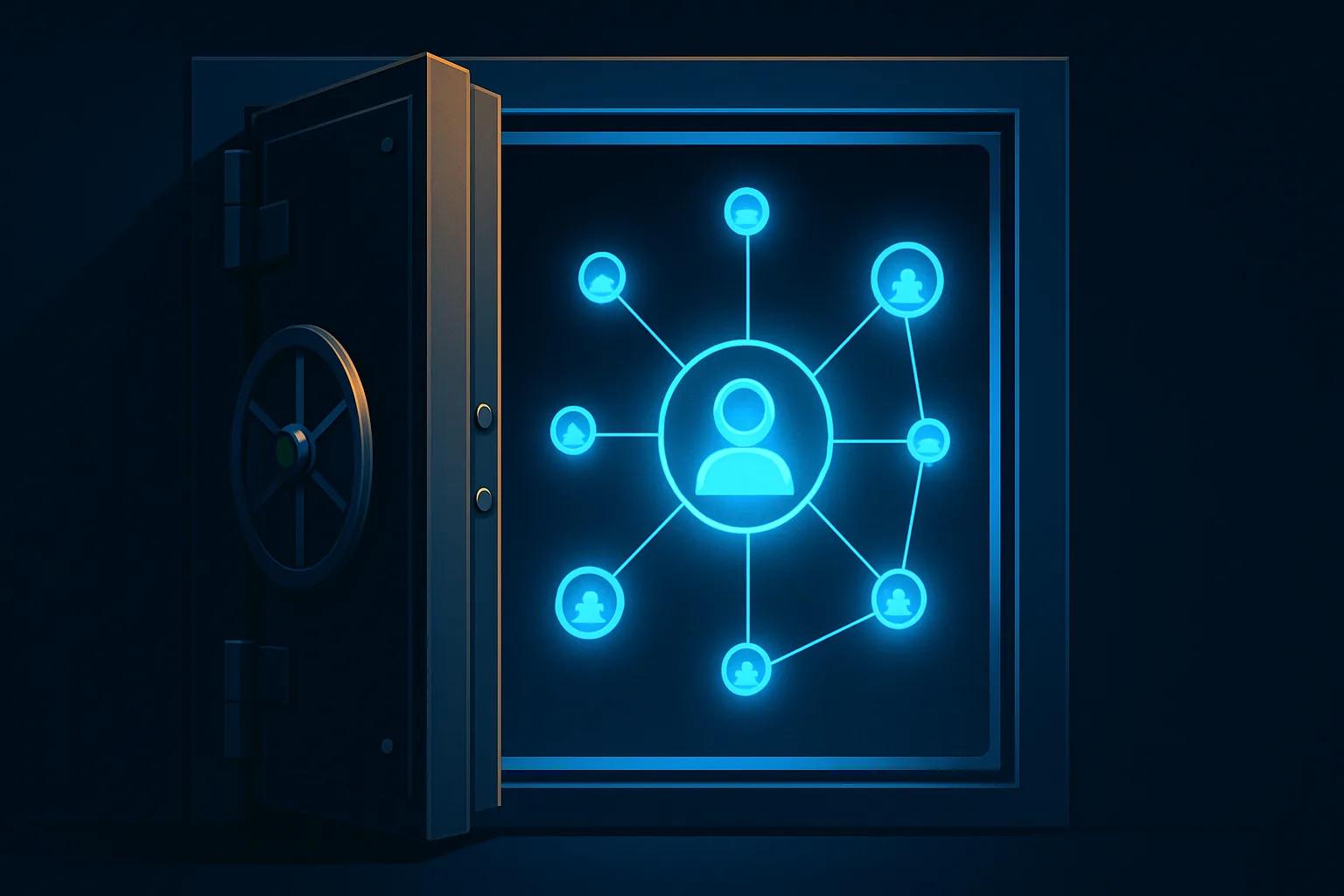
The export controls on Anthropic's Mythos 5 model just got a significant carve-out. The Trump administration has authorized more than 100 US companies and government agencies to access Mythos 5, the same model that was effectively frozen from broad deployment just weeks ago amid national security reviews. The authorization reportedly extends to non-American employees at those organizations, a detail that matters more than most headlines have acknowledged.
This isn't a full release. It's a controlled unlock. And the distinction tells you a lot about where US AI policy is actually heading.
What Just Happened With Mythos 5
Mythos 5 is Anthropic's most capable model to date. For weeks, its rollout was restricted by a government access process that required review before deployment, effectively keeping the model off the table for most enterprise users. That process drew public criticism from OpenAI, which objected to the precedent even as its own GPT-5.6 rollout faced similar government-requested limitations.
The new authorizations don't eliminate the access process. They work around it for a pre-approved list of entities. The 100+ companies and agencies now cleared to use Mythos 5 can deploy it inside their existing workflows, including for employees who aren't US citizens, as long as those employees work for an authorized organization.
That last part is deliberately broad. It signals that the administration wants to give US-headquartered companies a competitive edge with frontier models without completely opening the floodgates to global distribution.
Why the Timing Is Significant
The timing isn't accidental. Asian AI labs have been moving fast. Several have launched models explicitly positioning themselves as Mythos-equivalent alternatives, built specifically to fill the gap left by US export restrictions. These aren't marginal products. They're serious efforts from well-funded teams targeting enterprise customers in markets where US models have become unavailable or legally complicated to deploy.
Every week Mythos 5 sat under restriction was a week those alternatives gained ground. The authorized rollout is, at least in part, a response to that competitive pressure.
This connects directly to the broader pattern we've been watching. The White House's earlier intervention on OpenAI's model deployment established a template: government review before broad release. The Mythos 5 authorization doesn't dismantle that template. It shows how the government plans to use it, selectively clearing trusted organizations while keeping the underlying control mechanism in place.
The 100-Company Question
The obvious question is who made the list. The authorization has not been made fully public, and the criteria for inclusion aren't transparent. What's clear is that government agencies are included alongside private companies, and the scope covers organizations large enough to have a material impact on how the model gets used in the wild.
For enterprises currently sitting outside that list, the path to access isn't obvious. The government access process that Anthropic and OpenAI have both criticized publicly is still the default. OpenAI put it plainly: they don't believe this kind of access process should become the long-term norm. It keeps frontier tools away from developers, security teams, and enterprise users who have legitimate needs and no path to an expedited review.
That criticism is valid. But it's also somewhat self-serving, and the administration clearly disagrees about the risk calculus.
What This Means for Enterprise AI Strategy
If you're running AI at an organization that didn't make the initial list, a few things are worth thinking through.
First, the authorized rollout creates a genuine capability gap between organizations. Companies cleared for Mythos 5 can now build workflows, products, and internal tools on a model that their competitors can't access. That gap will widen with time, not narrow, unless access is eventually broadened. The AI integration challenges most organizations are already working through will be compounded if the underlying model tier is also split.
Second, the alternative model market just got more interesting. If your organization can't get Mythos 5 clearance, you're now choosing between waiting for broader authorization, using an older model tier, or evaluating the Asian alternatives that are explicitly marketing themselves to fill this gap. None of those options is obviously wrong, but the choice deserves a deliberate decision rather than a default.
Third, the government's willingness to do selective authorized rollouts suggests this mechanism is here to stay. The 100-company model isn't a temporary bridge to full availability. It's a proof of concept for a tiered access system where frontier AI capabilities are allocated, not simply sold. That's a meaningful shift in how AI procurement works at the enterprise level.
The Competitive Geometry Is Shifting
John Jumper's move from DeepMind to Anthropic earlier this month already signaled that Anthropic is pulling serious talent toward what it's building next. The Mythos 5 authorization adds another dimension: the US government is now an active participant in deciding which organizations get access to Anthropic's best work, and on what timeline.
That's a different kind of competitive advantage than the ones we're used to analyzing. It's not about features or pricing. It's about whether your organization is in a position to access frontier capabilities at all.
For teams already thinking carefully about which AI tools are actually worth deploying and which are noise, the Mythos 5 situation is a useful forcing function. The era of treating all frontier models as roughly equivalent and freely available is over. Capability, access, and geopolitics are now the same conversation.
What to Do About It
If your organization has existing relationships with government agencies or operates in sectors that typically qualify for cleared technology access, it's worth exploring whether a formal authorization request is possible. The process exists. It's opaque, but it's not closed.
If you're a smaller company or a team without that kind of institutional access, the honest answer is to build on what you can actually deploy today. Picking the right tools for the right tasks matters more than waiting for access to a model you may not get anytime soon.
And if you're tracking this space professionally, watch the Asian model launches carefully. The gap that US export restrictions created is being filled in real time. Whether those alternatives close the actual capability gap is a separate question, but their market positioning is getting sharper with every week the authorization list stays short.
The Mythos 5 situation isn't resolved. It's just moved to a new phase.