TIDAL Just Cut Off AI Music From Monetization. The Rest of the Industry Is Watching.
TIDAL is blocking AI-generated music from earning money on its platform. It's the clearest policy line any major streaming service has drawn, and it won't be the last.
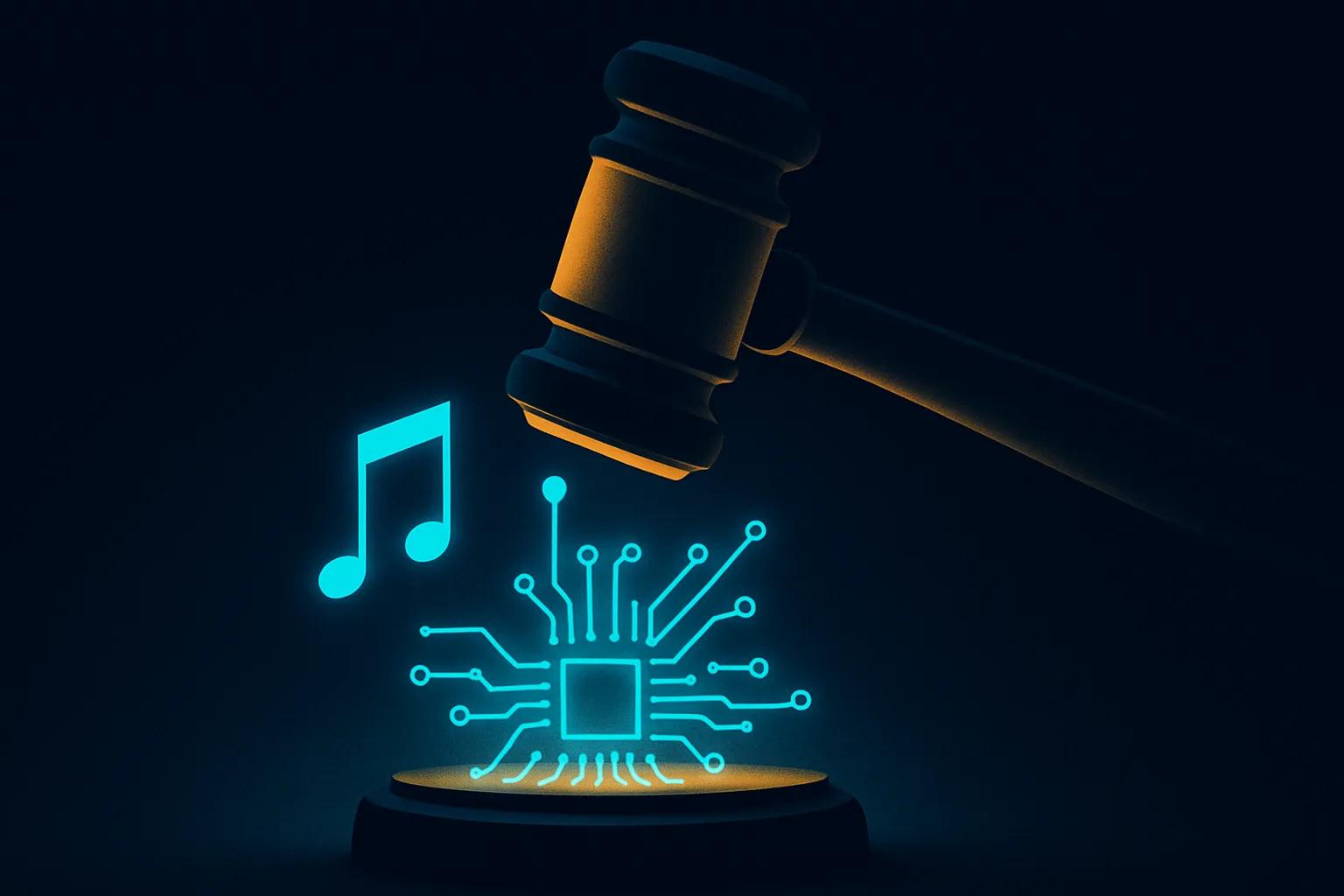
TIDAL just made a decision that every streaming platform has been quietly avoiding. Starting now, AI-generated music cannot earn royalties on its service. No payments, no revenue share, no monetization path. If a track is determined to be AI-generated, it doesn't get paid.
That's a harder line than any major streaming platform has publicly committed to before. And it arrives at a moment when the question of what counts as "real" music for payment purposes has become genuinely urgent.
What TIDAL Actually Did
The policy is straightforward: TIDAL will identify AI-generated music uploaded to its platform and strip those tracks of monetization eligibility. Artists and labels who upload AI-generated content won't see royalty payments for streams of that content.
The platform hasn't released a detailed technical breakdown of how it plans to identify AI-generated tracks at scale. Detection is a hard problem. AI-assisted production, where a human artist uses AI as a tool in an otherwise human creative process, sits in a gray area that the policy will need to address eventually. But the directional signal is clear. TIDAL is drawing a line between human-made music and machine-made music, and saying only one of those gets paid.
This matters for a few reasons beyond the obvious.
Why This Moment, and Why TIDAL
TIDAL has positioned itself as the streaming platform that takes artist compensation seriously. Its ownership structure, which has included direct artist equity stakes, was always part of a broader argument that this platform is different. A policy like this fits that positioning cleanly.
But it also reflects a practical problem that's been building for two years. AI music generation tools have gotten dramatically better and dramatically cheaper. Tracks can be produced in seconds, uploaded automatically, and streamed enough to generate small royalty payments at scale. The phenomenon of "streaming farming" has existed for years with low-quality human content. AI makes it trivially easier and cheaper to run that playbook. The volume of AI-uploaded tracks across major platforms has grown fast enough that it's become a real cost to the royalty pool that human artists draw from.
Every dollar paid to an AI-generated track is a dollar not paid to a human musician. That's not a rhetorical point. It's how the royalty pool math works. The total pot is divided by streams. More streams from AI content means a smaller slice for everyone else.
TIDAL's policy is, in part, a defense of that pool.
The Detection Problem Is Real
Here's the part of this that deserves more scrutiny. Identifying AI-generated audio is not a solved problem. The tools that exist for detection are imperfect, and they lag behind the generation tools they're trying to catch. A policy that says "no monetization for AI music" is only as good as the system that identifies which music is AI-generated.
There's real risk of false positives, where a human-produced track that happens to use certain production styles or software gets flagged incorrectly and denied payment. There's also the obvious workaround problem: artists or labels who pass AI-generated tracks off as human-made. Disclosure requirements that don't get disclosed. Attribution that doesn't reflect reality.
TIDAL hasn't said much publicly about its detection methodology. That gap will matter when the policy starts generating disputes.
The AI data problem shows up here in a specific form: audio AI detection models are trained on datasets that don't fully capture the current generation of production tools. The gap between what's being generated today and what detection systems recognize tends to be wider than people assume.
What the Rest of the Industry Will Do
Spotify, Apple Music, Amazon Music, and YouTube Music have all been noticeably quieter on this question. They've made gestures toward AI disclosure requirements, pushing labels and distributors to flag AI-generated content at upload. But disclosure requirements and monetization bans are very different things. Requiring disclosure puts the burden on the uploader and trusts them to be honest. Banning monetization requires the platform to make the determination itself.
That's a harder technical and legal position to hold. Platforms that generate enormous revenue from music will face pressure from rights holders, distributors, and label groups on all sides of this issue. Some will argue that any music that drives streams should be compensated. Others will push for stricter rules. TIDAL is small enough, and mission-aligned enough, to take the more aggressive stance without the same commercial exposure that Spotify or Apple would face making the same move.
If TIDAL's detection methodology works reasonably well and survives legal challenge, it creates a template. That's worth watching. The A24 situation with Google DeepMind showed how fast audience trust can erode when a creative platform appears to choose AI revenue over its core community. TIDAL is making the opposite bet.
The Broader Pattern Here
This is part of a larger question the industry is working through right now: where exactly do humans fit in AI-assisted or AI-replaced creative work, and who gets paid when the human contribution gets smaller or disappears?
Music is one of the clearest test cases because the royalty system is metered and the harm is quantifiable. A human artist loses a specific amount of money when AI-generated tracks take a share of the pool. That makes the policy argument easier to construct than in, say, journalism or visual art, where the revenue displacement is harder to measure directly.
The Ford rehiring story pointed at a similar dynamic from the other direction: companies that assumed AI could replace human expertise discovered that assumption was wrong and expensive. The music streaming version of that lesson isn't "AI music is bad," it's "platforms need to decide what they're paying for and who deserves to get paid."
TIDAL has decided. Others will have to follow, dodge, or explain why they aren't.
What You Should Do With This
If you're a musician or work with musicians, the practical implication is documentation. As more platforms develop policies around AI-generated content, being able to demonstrate the human creative process behind a track will matter. Session files, version history, collaboration records. The burden of proof may eventually fall on creators to show their work is human-made, not on platforms to prove it isn't.
If you're a music distributor or label, this is the time to get clear on what you're uploading and what disclosure practices you're using. A platform that bans AI monetization isn't the last one. Getting ahead of compliance now is cheaper than disputing flagged tracks later.
And if you're following the broader AI policy space, TIDAL's move is a useful data point on how smaller, mission-driven platforms can take harder positions that larger commercial ones can't afford to take yet. The question is whether those positions get validated or eroded by what happens next.
The AI integration problem applies here too: platforms that built their content pipelines around easy AI-generated uploads are now dealing with a policy environment that wasn't part of the original design. Building for compliance after the fact is always harder than building for it from the start.