John Jumper Is Leaving DeepMind for Anthropic. Here's Why That's a Bigger Deal Than a Resume Update.
Nobel laureate and AlphaFold architect John Jumper is leaving Google DeepMind for Anthropic. Here's what that signals about where serious AI science is headed.
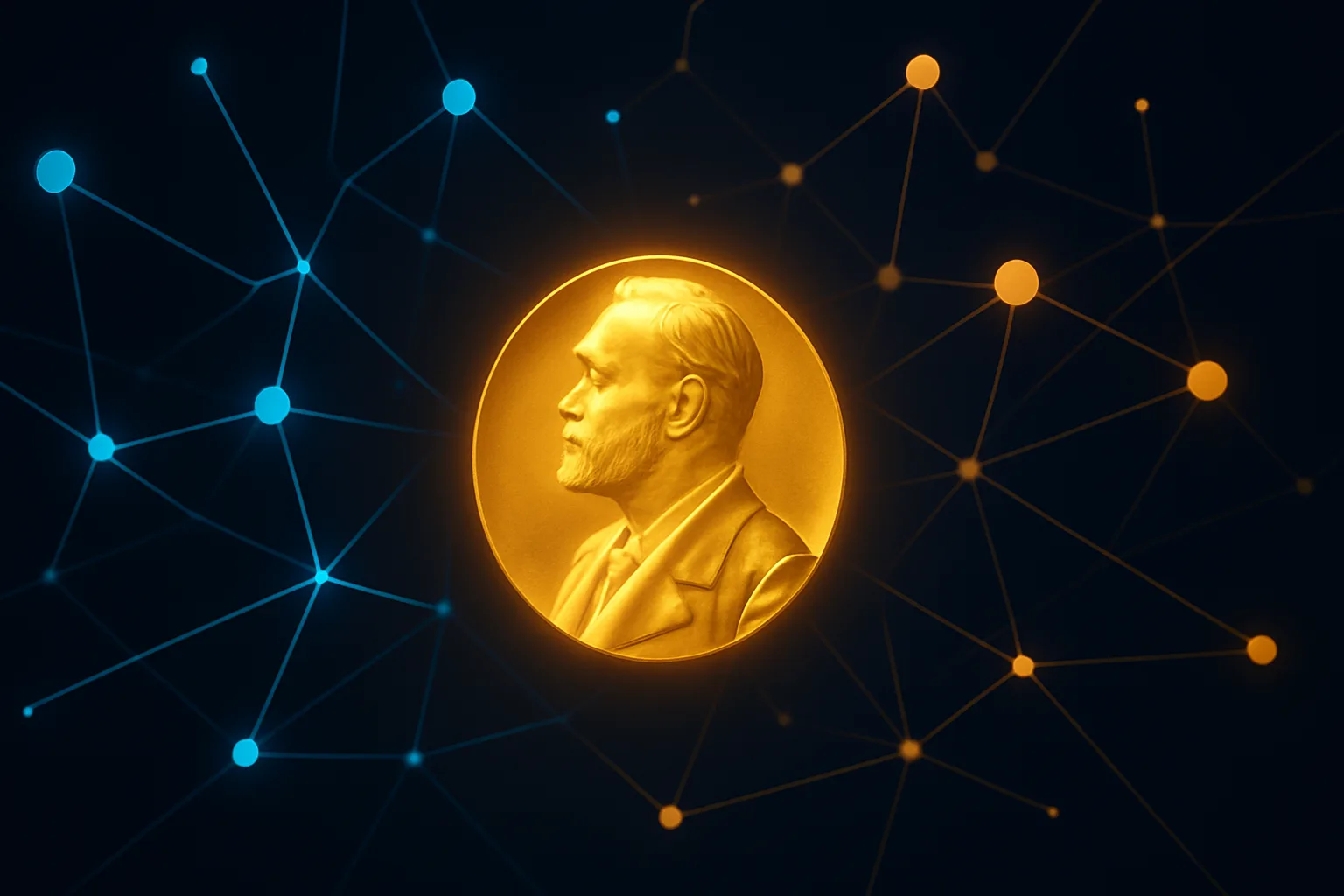
John Jumper won the Nobel Prize in Chemistry in 2024 for his work on AlphaFold. He's spent years at Google DeepMind, one of the most resource-rich AI research institutions on the planet. And now he's leaving for Anthropic.
That's not a lateral move. That's a statement.
What Happened
Jumper, the scientist behind AlphaFold 2's architecture, is departing Google DeepMind to join Anthropic. He isn't the only senior researcher making that particular trip right now. Noam Shazeer, one of the original authors of the Transformer paper, recently left DeepMind for OpenAI. The pattern is becoming hard to ignore.
DeepMind built its reputation on exactly this kind of talent. Landmark research, deep scientific credibility, massive compute backing from Google. And yet, the people who define that reputation keep walking out the door.
Why It Matters
Talent concentration is the real moat in AI research right now. Not compute. Not datasets. Not funding. Those can be bought. What can't be bought easily is a Nobel laureate who actually knows how to architect systems that do something genuinely new.
Jumper's move signals a few things worth paying attention to.
First, Anthropic is pulling serious scientific weight. The company has spent the past two years positioning itself around safety and interpretability research, but landing Jumper suggests it's building toward something broader. AlphaFold's core insight was using attention mechanisms to model protein folding with striking accuracy. That kind of structural thinking, applied to other domains, could push Anthropic's model work in directions that aren't obvious yet.
Second, DeepMind's talent retention problem is real and accelerating. This isn't a single departure. It's a pattern. When your Nobel Prize winners start choosing smaller, less capitalized competitors over the Google machine, something is off about the internal environment. It could be bureaucracy, it could be research direction disagreements, it could be equity upside. Probably some combination of all three.
Third, the timing matters. Anthropic is navigating a genuinely turbulent period. The U.S. government's forced pullback of its Fable 5 and Mythos 5 models over national security concerns created a bizarre situation where Anthropic lost access to two of its own flagship products. Recruiting a Nobel laureate in that environment isn't just a morale play. It's a message to investors, to regulators, and to the research community that the company's scientific ambitions haven't shrunk.
The DeepMind Side of This Story
DeepMind isn't going anywhere. Google's AI infrastructure spending is enormous, and the organization still has deep expertise across reinforcement learning, protein science, and systems research. But the exodus of named researchers creates a credibility gap that's hard to paper over with press releases.
The problem with losing top scientists isn't just the knowledge they take with them. It's the signal effect on everyone who stays. Junior researchers and mid-career scientists are watching where the best people go. Jumper choosing Anthropic tells them something about where interesting work is actually happening.
That's worth watching carefully if you follow AI capability development, because where the best scientists go tends to predict where the next meaningful breakthroughs come from.
What This Tells Us About Anthropic's Direction
Anthropic has publicly built its identity around AI safety. That framing is accurate but incomplete. The company also runs some of the most capable general-purpose models available, and it's competing directly with OpenAI and Google on frontier model performance.
Hiring Jumper fits a specific thesis: that the next generation of capable AI systems will require deeper scientific insight, not just more compute and more data. AlphaFold succeeded because Jumper's team found the right inductive bias for the problem, not because they threw more resources at it. If that philosophy transfers to language model research or multimodal systems, it could matter.
It's also worth noting that Anthropic has been quietly aggressive about recruiting outside the standard machine learning pipeline. The G7's recent engagement with Anthropic's national security situation suggests the company's work is being taken seriously at a geopolitical level. That kind of attention attracts scientists who want their work to have consequences.
The Broader Pattern
The AI research talent market in 2026 looks nothing like it did in 2022. Back then, DeepMind and OpenAI were the obvious destinations for anyone serious. Now the field is more fragmented. Anthropic, xAI, and a handful of well-funded startups are actively competing for the same small pool of people who can actually move the needle.
The result is a constant churn of high-profile moves that makes it genuinely hard to track where capability is being built. It's one reason why AI tool stacks are becoming more complicated for organizations trying to make long-term bets. The underlying research landscape shifts faster than most procurement cycles.
For users and organizations that rely on Anthropic's models, this hiring is probably good news in the long run. More scientific depth tends to produce more reliable, more capable systems. In the short term, Jumper will need time to find his footing in a very different research environment than DeepMind.
What To Do About It
If you're watching this as a professional who depends on AI tools, here's the practical read:
Anthropic's technical trajectory just got more interesting. If you've been hedging between providers, this is worth factoring in when you think about which platforms to invest time learning deeply. Capability gaps between frontier providers narrow and widen constantly, and talent concentration is one of the better leading indicators of where those gaps will shift.
If you're watching this as someone who thinks about AI oversight, it's a reminder that the companies doing the most consequential work are also the ones fighting hardest to attract the scientists who can tell the difference between a system that's impressive and one that's actually sound. That distinction matters more than most benchmarks suggest, and the AI verification problem isn't going away just because a model scores well on a leaderboard.
Keep an eye on what Jumper actually publishes or works on at Anthropic. That will tell you more about where this is going than any hiring announcement.