OpenAI Is Betting Its Future on Families. Here's What That Actually Means for ChatGPT.
OpenAI is building a dedicated family product team, targeting parents, caregivers, and older adults. Here's why that shift matters more than it looks.
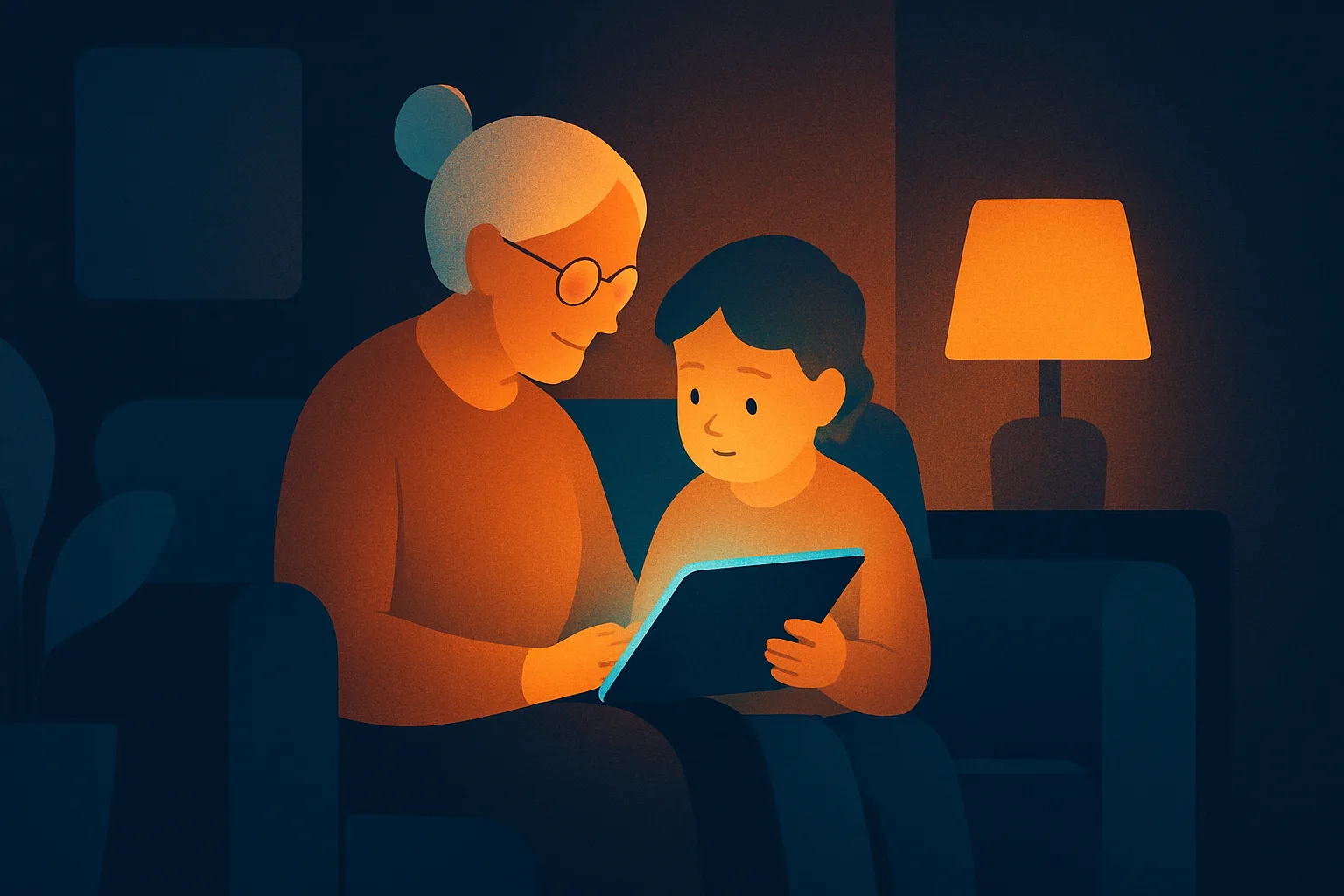
OpenAI has quietly signaled its next big consumer push, and it isn't another model release. The company is hiring a dedicated product manager to build ChatGPT experiences specifically for families, caregivers, and older adults. That's a focused product bet, not just a job posting, and it tells you a lot about where OpenAI thinks its next 100 million users are coming from.
What OpenAI Is Actually Building
The role is pointed at a cluster of users who have largely been afterthoughts in AI product design: parents managing screen time alongside AI tutors, adult children helping aging parents navigate tech, grandparents who want voice-first interfaces that don't require a computer science degree. These aren't the developers who stress-test model capabilities. They're the people who will determine whether AI becomes genuinely household infrastructure or stays a productivity tool for knowledge workers.
OpenAI's move here is deliberate. ChatGPT already has over 500 million weekly users, but user growth at that scale gets harder to sustain by fishing in the same pond. The enterprise market is increasingly competitive, with Microsoft's AI bets and Google's own suite pulling corporate budgets in different directions. Families are a different pool entirely, and one that hasn't been seriously cultivated by any major AI player yet.
Parents are already worried. A significant share of them, roughly half based on recent survey data, say their kids are spending too much time with AI tools. That anxiety is a product opportunity if you address it directly, not just a PR problem to manage. A family-focused team could mean parental controls, usage transparency dashboards, age-appropriate response modes, or collaborative features that let parents see what their kids are asking. None of that exists in any serious form in ChatGPT today.
Why This Moment Makes Sense
Timing matters here. Schools are swinging hard in the other direction. The University of Chicago Law School just announced a laptop ban specifically to push back against AI-assisted work. Other institutions are building analog-first policies because they can't distinguish AI-written submissions from human ones. That's a crisis of trust in AI tools among educators, and it creates a vacuum for a product that positions itself as a trustworthy, family-safe, educational companion rather than a shortcut machine.
OpenAI is clearly reading that gap. A family product that's designed from the ground up with transparency and parental oversight baked in would be a different animal than the current ChatGPT, which is effectively a general-purpose tool with some age restrictions bolted on afterward.
The older adult angle is equally underexplored. Voice interfaces have long been pitched as the future of accessibility, but most AI voice products still require users to understand prompting, API concepts, or app ecosystems. A product designed specifically for older adults would need to strip all of that away and focus on reliability, patience, and simplicity. OpenAI's voice model work from earlier this year lays some technical groundwork for this, but building the right product experience around those capabilities is a separate problem.
The Competitive Landscape
No one is doing this well yet. Character.AI has built a massive base among teenagers, but its approach has drawn scrutiny over safety and emotional dependency. Google's products for families exist but feel like features, not a real product strategy. Amazon's Alexa has household penetration but its AI ambitions have been inconsistent.
OpenAI entering this space with a dedicated team is the most serious attempt yet to build something that treats families as a first-class user category, not a compliance checkbox.
There's also a data angle worth thinking about. Household usage generates a different kind of behavioral signal than professional usage. If OpenAI can get families using ChatGPT across generations and contexts, that's training signal diversity that a B2B-focused competitor simply can't replicate. It's not just a revenue move. It's a long-term data strategy.
The internal dynamics at OpenAI make this interesting too. The company has had real leadership turbulence recently, and consumer product decisions can drift when senior leadership is unsettled. A dedicated family PM hire suggests the company is betting on this direction firmly enough to staff it even in a period of organizational flux.
What This Means for AI Tools Broadly
The family push also signals something about where AI product design is heading. The early years of this industry were dominated by capability races, who could do more tasks, handle longer contexts, write better code. That race isn't over, but it's no longer the only game.
The next phase is about fit. Does the product fit how a specific kind of person actually lives and works? That's a design and trust problem more than a model problem. Teams inside companies face a version of this too, where the raw capability of AI tools outpaces the product experience built around them.
Families are just the consumer version of the same challenge. You can have the most capable model in the world, and it still won't be useful to a 70-year-old trying to ask about their medication schedule if the interface assumes technical fluency.
This is also pressure on every other AI company building consumer products. If ChatGPT ships a genuinely good family tier with parental oversight tools, age-appropriate modes, and an interface that works for older adults, that becomes the new baseline expectation. Competitors who haven't thought seriously about this use case will look behind quickly.
What to Watch and What to Do
Watch for product announcements in the back half of 2026. A PM hire at this level usually precedes a public product push within six to twelve months. The real test will be whether OpenAI builds genuine safeguards into the family experience or just repackages existing ChatGPT with some age-gating.
If you're a parent currently using AI tools with kids, the practical reality today is that no existing product was purpose-built for your situation. That means setting your own guardrails. Think about which tasks you're comfortable with AI handling, talk to your kids about what AI outputs mean and where they fall short, and treat current tools as general-purpose products that need your active supervision.
AI governance at the organizational level faces similar structural gaps, and the family problem is really a microcosm of the same issue. Capability without clear policy creates confusion and risk.
If you work in edtech, healthcare for older adults, or family services, pay close attention to what OpenAI ships here. It will either set a useful bar you can build on top of, or it'll demonstrate what not to do. Either way, the category is about to get real product attention for the first time.