Top 9 AI Customer Support Tools in 2026: Ranked by What Actually Resolves Tickets
The best AI customer support tools in 2026, ranked by real resolution rates, deflection quality, and how well they handle the tickets your team hates most.

Most support software vendors will show you a demo where the bot handles "What's my order status?" flawlessly. That's not a real test. The real test is what happens when a frustrated customer asks something ambiguous, multi-part, or just outside the expected script, and whether the AI resolves it or kicks it to a human agent who then has to start from scratch.
That's the lens I applied here. This list is ordered by genuine resolution quality, breadth of integrations, and how much real work these tools actually take off a support team's plate. Deflection rate matters, but only if the deflections are correct. A bot that closes 80% of tickets by sending useless FAQ links is worse than one that resolves 40% properly and routes the rest with full context.
If you're already thinking about the infrastructure costs behind running these at scale, the Enterprise AI Bills Are Exploding Even as Token Prices Collapse article is worth reading alongside this one, the economics of AI support tooling are shifting fast.
The tools below range from full-stack enterprise platforms to lightweight chatbot layers you can drop onto an existing helpdesk. There's no single right answer. What matters is matching the tool to the actual complexity of your ticket mix.
1. Intercom Fin
Official website: fin.ai
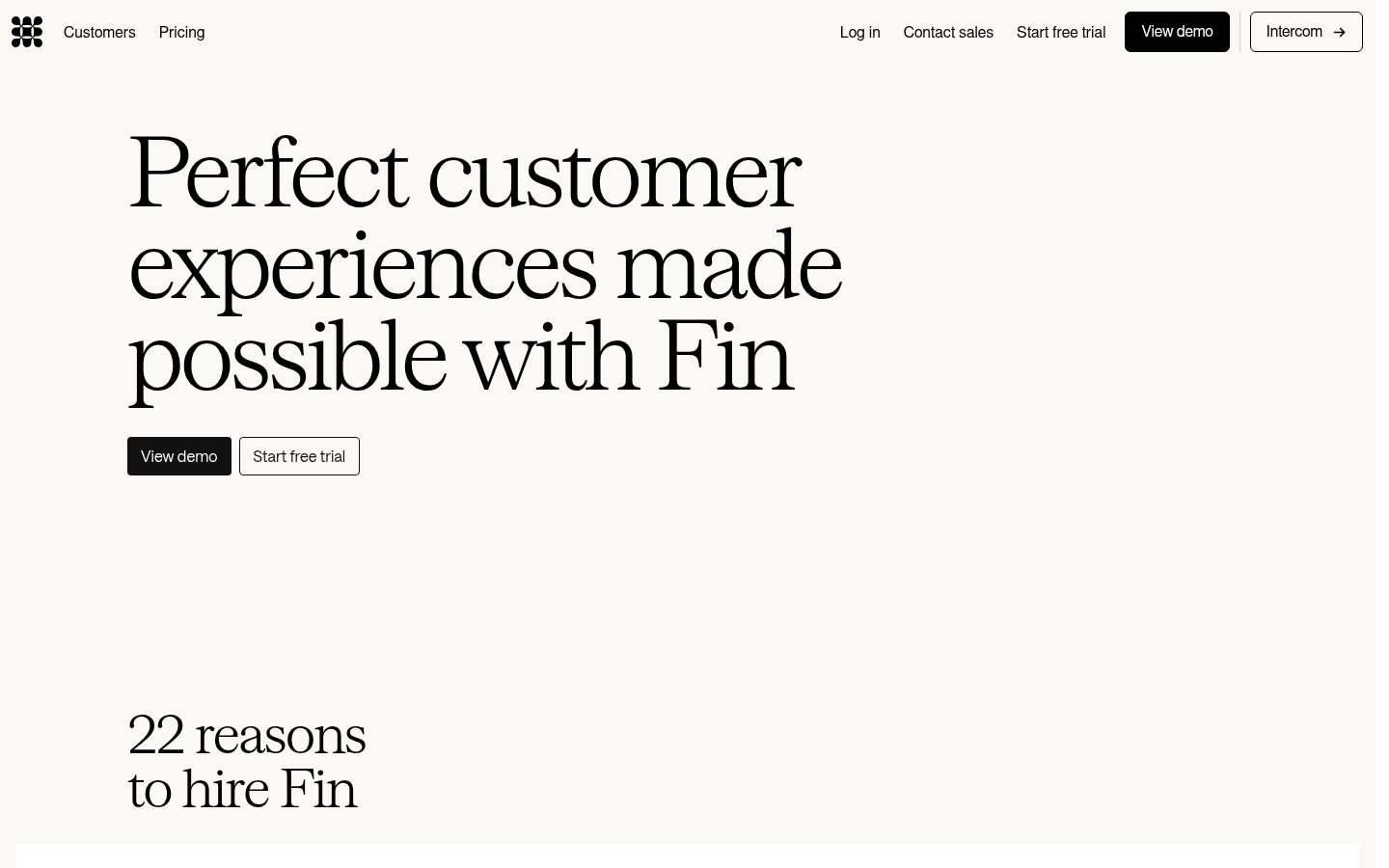
Intercom Fin sits at the top of this list because it's the closest thing the market has to a production-ready AI agent that actually closes support conversations rather than bouncing them. Intercom publicly reports a 76% average resolution rate across its customer base, that's not a cherry-picked case study figure, it's their stated average. For context, most AI chatbots in 2024 were proud to hit 40%.
What makes Fin work where others fail is the architecture. It doesn't just match keywords to answers; it reasons across your knowledge base, your conversation history, and your connected systems simultaneously. When a customer asks about a delayed order with a specific order number, Fin can pull the data, form an answer, and resolve the ticket, not just link to a shipping FAQ.
Fin integrates across the Intercom platform and connects to external systems via Intercom's workflow builder. It handles support for software, e-commerce, gaming, and financial services customers, meaning the underlying model has been tuned across a genuinely diverse ticket set.
Pricing: Intercom Fin operates on a resolution-based pricing model starting at $0.99 per resolution for Fin AI Agent, layered on top of base Intercom plans. Enterprise pricing is available. A free trial is offered.
Best for: Mid-market to enterprise teams that want the highest out-of-the-box resolution rate without building custom AI workflows from scratch.
Pros: Industry-leading 76% average resolution rate, resolution-based pricing aligns incentives with outcomes, strong multi-channel support, deep integration with Intercom's broader platform, handles complex multi-step queries.
Cons: Requires Intercom subscription as the base, can get expensive at high ticket volumes, less flexible for teams outside the Intercom ecosystem.
Try Intercom Fin →2. Gorgias
Official website: gorgias.com
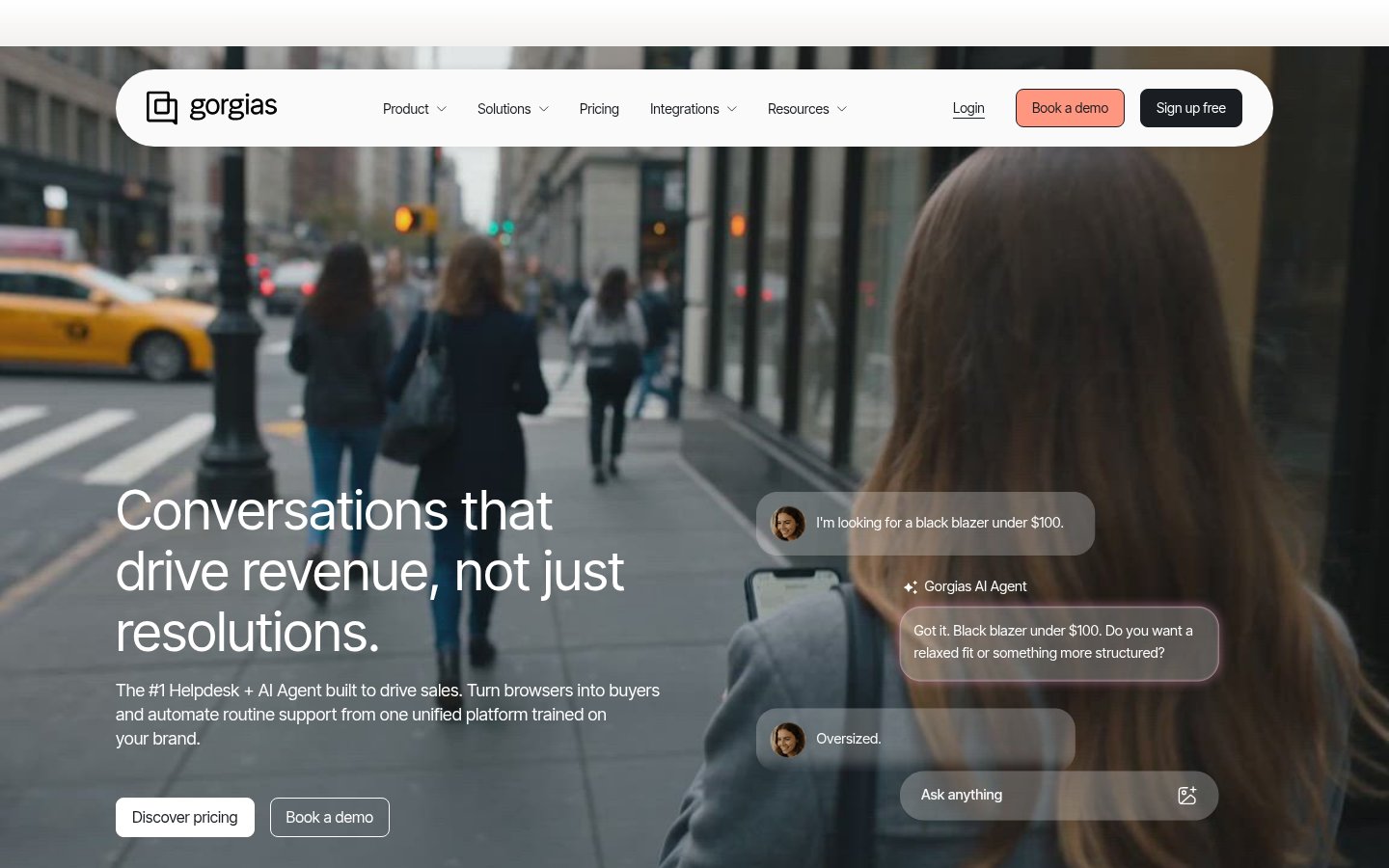
Gorgias is the right answer if your business runs on Shopify. It's not the most general-purpose tool in this list, and it doesn't pretend to be. What it does is embed deeply into the e-commerce stack, pulling order data, subscription status, return eligibility, and product details, and use that context to handle the support interactions that bury DTC brands at scale.
The AI doesn't just automate responses; it also identifies revenue opportunities inside support conversations. When a customer emails asking about a delayed shipment, Gorgias can resolve the issue and surface a relevant upsell based on their purchase history. That's a meaningful difference from pure deflection tools.
Gorgias handles email, live chat, social media DMs, and SMS from a single inbox. Its automation rules let teams set up intent-based routing and templated responses with very little technical lift. For Shopify brands specifically, the integration depth is hard to match.
If you're thinking about broader e-commerce AI setup, the How Small E-Commerce Stores Should Actually Set Up AI Customer Service in 2026 guide covers the strategic layer beyond just picking a tool.
Pricing: Gorgias pricing is based on the number of tickets handled per month. Plans start in the range of a few hundred dollars per month for smaller volumes, scaling up for enterprise usage. Pricing is publicly listed on their site.
Best for: Shopify-based DTC brands that want to turn their support inbox into a revenue channel, not just a cost center.
Pros: Deep Shopify integration, AI handles order-related tickets natively, blends support automation with sales features, strong multi-channel inbox, active upsell detection.
Cons: Much weaker outside the Shopify/e-commerce context, pricing scales quickly at high ticket volumes, less suitable for SaaS or service businesses.
Try Gorgias →3. Tidio
Official website: tidio.com
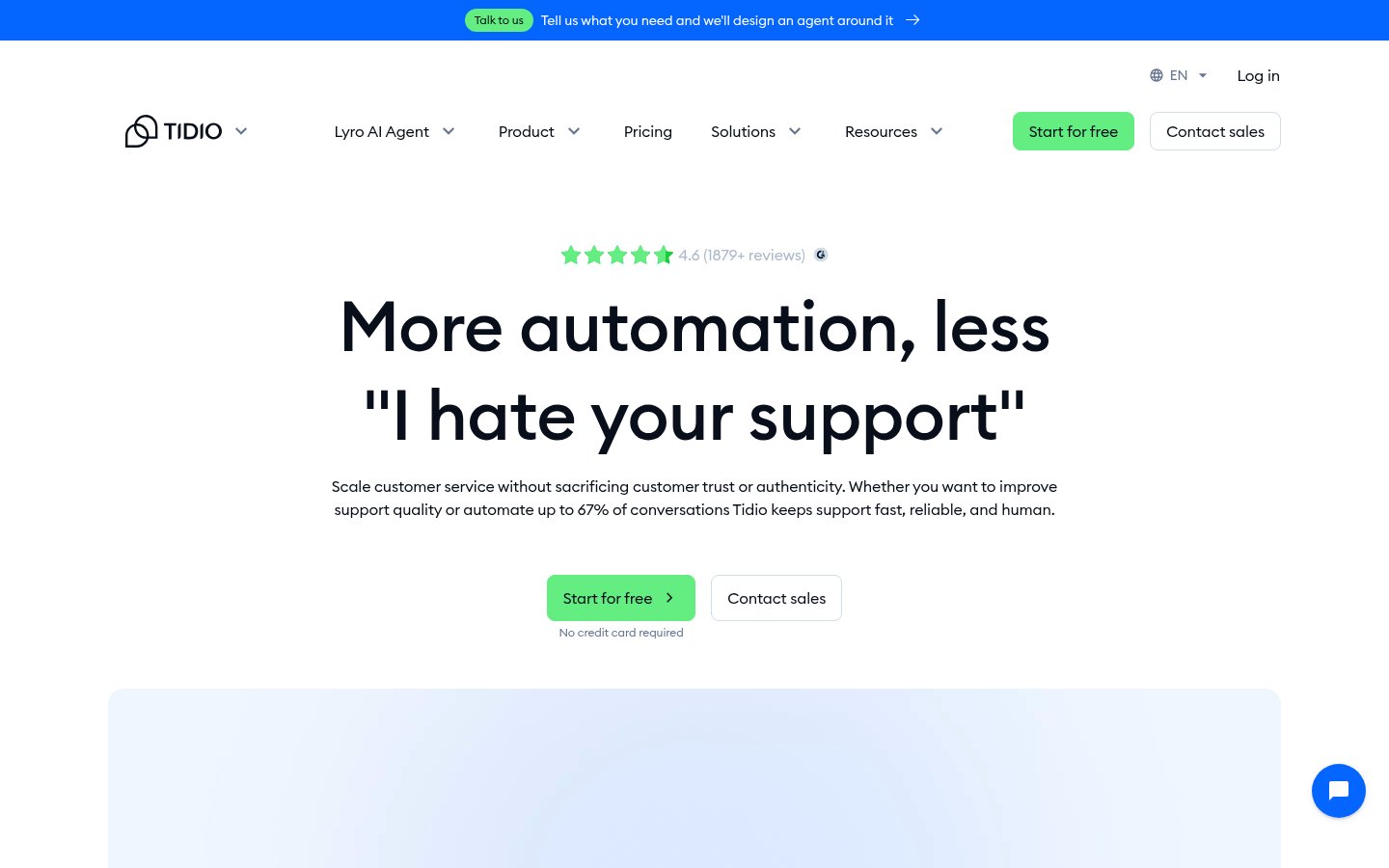
Tidio earns its spot here because it's the best option for smaller teams that need real AI capability without enterprise pricing or a months-long implementation. Its AI agent, Lyro, handles customer questions conversationally and is specifically designed to avoid the hollow "I've sent your query to our team" non-response that makes AI chatbots useless.
Lyro operates from your existing help content and knowledge base. You don't need to train it from scratch or write decision trees. It learns what it can answer, answers those confidently, and escalates the rest, with context intact. That handoff quality is something a lot of chatbot products still get wrong in 2026.
Tidio's freemium entry point makes it accessible for businesses that want to test AI support before committing. The paid tiers add more Lyro conversations, more channels, and deeper analytics. The interface is clean and doesn't require a dedicated ops person to configure.
Pricing: Tidio offers a free plan with limited Lyro AI conversations. Paid plans start at around $29/month, with Lyro AI conversations priced separately starting at approximately $0.50, $1 per conversation depending on volume.
Best for: Small to mid-size businesses and early-stage teams that want a capable AI agent without complex onboarding or enterprise contracts.
Pros: Freemium entry point, Lyro AI handles real conversations (not just FAQ matching), clean handoff to human agents, easy setup, good channel coverage.
Cons: Lyro conversation limits on lower tiers can add up quickly, less customizable than enterprise platforms, analytics depth is limited compared to Gorgias or Intercom.
Try Tidio →4. Zendesk AI
Official website: zendesk.com
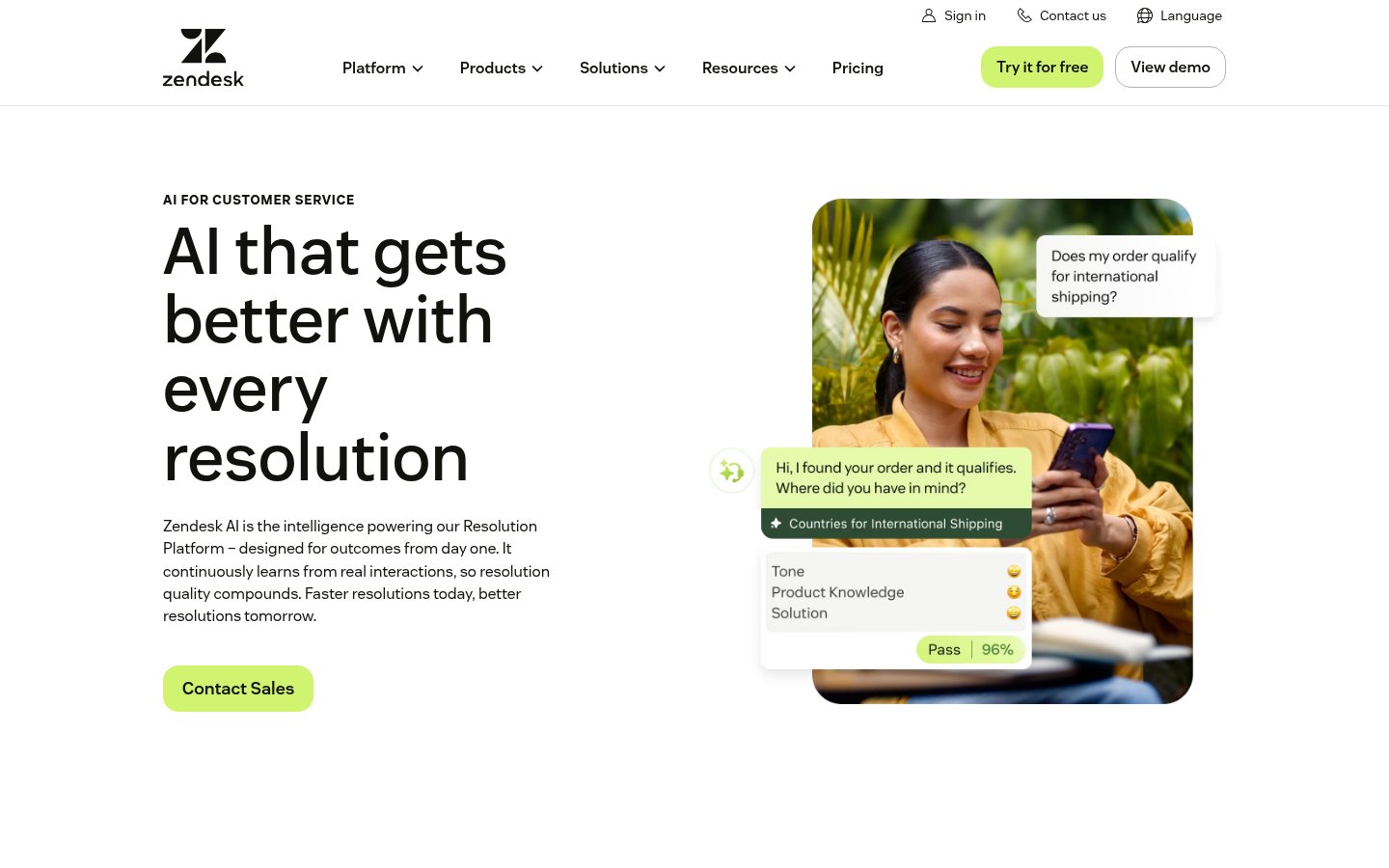
Zendesk AI isn't here just because Zendesk is a household name, it's here because the AI layer they've built on top of their platform is genuinely substantive. The company has made serious investments in intent detection, intelligent triage, and agent assist features that sit inside the ticket workflow rather than bolted on externally.
The AI triage automatically categorizes, tags, and routes incoming tickets based on intent and sentiment. Agent assist surfaces relevant knowledge articles, suggested replies, and conversation summaries in real time while agents are working a ticket. The AI agents (bots) handle Tier-1 queries end-to-end with fallback to human routing.
For teams already on Zendesk, enabling the AI features is the obvious move, the integration is native and the training data comes from your existing ticket history. For teams not on Zendesk, you're buying into a full platform commitment.
Pricing: Zendesk AI is included in higher-tier Suite plans and is also available as an add-on. Suite plans start at $55/agent/month (billed annually), with AI features accessed from the Suite Professional tier and above. Enterprise plans are custom-priced.
Best for: Existing Zendesk customers and enterprise support teams that want native AI triage, agent assist, and automated resolution inside a mature helpdesk infrastructure.
Pros: Native integration with Zendesk's full ticket history, strong intelligent triage and routing, solid agent assist in real time, proven at enterprise scale, no third-party connector needed.
Cons: Expensive for smaller teams, real AI power lives in higher pricing tiers, switching cost is high if you ever want to leave the Zendesk ecosystem.
Try Zendesk AI →5. Freshdesk Freddy AI
Official website: freshdesk.com
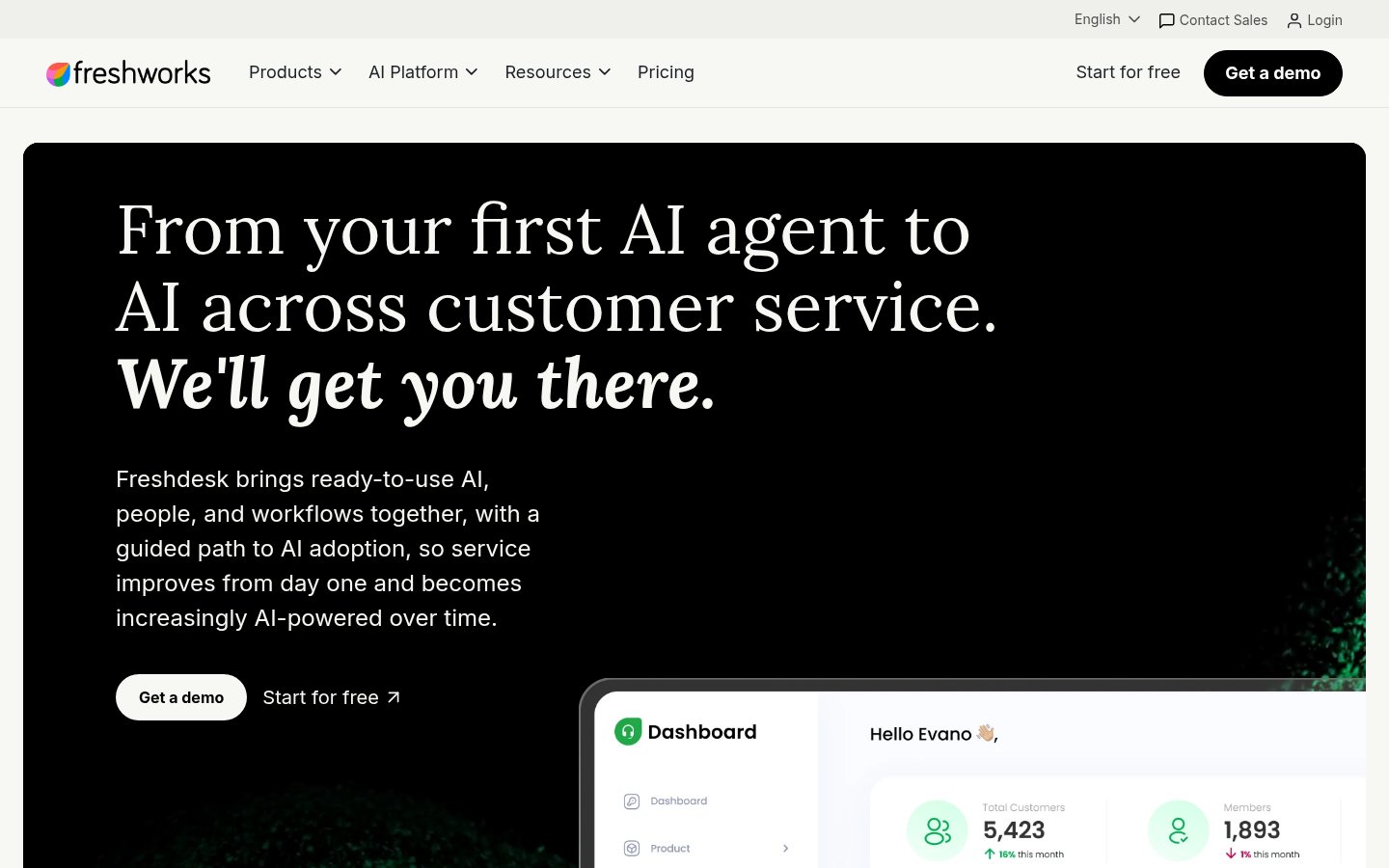
Freshdesk's Freddy AI is the most accessible enterprise-adjacent AI support platform in the market right now, and that's its main advantage over Zendesk. The pricing is more transparent, the lower tiers are genuinely usable, and Freddy has matured meaningfully since its early versions.
Freddy handles three things: self-service (the AI bot that deflects before a ticket opens), agent assist (in-ticket suggestions and summarization), and insights (analytics on team performance and ticket trends). The self-service layer can resolve common queries without human involvement. The agent assist reduces handle time by surfacing relevant context while an agent is working.
The AI bot is configurable without developer involvement, which matters for support ops teams that don't have engineering resources to spare. The intent detection is solid, and the fallback routing preserves conversation context properly.
Pricing: Freshdesk plans start free (with limited features). Paid plans begin at $15/agent/month. Freddy AI features activate at the Growth tier ($35/agent/month, billed annually) and expand at higher tiers.
Best for: Growing teams that need genuine AI capability at more accessible price points than Zendesk, or Freshdesk users looking to activate AI features they're already paying for.
Pros: More accessible pricing than Zendesk, solid three-layer AI coverage (self-service, assist, insights), no-code bot configuration, good free tier to start.
Cons: Freddy's resolution quality lags behind Intercom Fin for complex tickets, the AI insights layer is less sophisticated than dedicated analytics tools, some features still feel add-on rather than native.
Try Freshdesk Freddy AI →6. Drift
Official website: drift.com
Drift lives at the intersection of support and sales, which is either exactly what you need or irrelevant to your situation. If you're running a B2B SaaS with a complex product, where support conversations frequently turn into expansion or renewal conversations, Drift's AI is built for that blur.
The Drift AI bot qualifies inbound visitors, routes them based on intent (support vs. sales vs. pricing), and engages them with context-aware responses. For support use cases specifically, it handles FAQ deflection and routes complex issues to the right agent with full conversation context. The standout is how it handles the handoff to sales, if a support conversation reveals a revenue signal, Drift surfaces it and routes accordingly.
Drift has moved heavily toward enterprise customers post-2024, which means the pricing and implementation complexity has followed. Smaller teams will find it overkill.
Pricing: Drift's pricing is enterprise and quote-based. Publicly listed plans start at $2,500/month for the Premium tier. This is firmly an enterprise budget conversation.
Best for: B2B SaaS and enterprise teams where support and sales conversations overlap significantly, and where capturing revenue signals inside support is a meaningful goal.
Pros: Strong intent-based routing between support and sales, AI handles qualification and deflection well, conversation context preserved on handoff, good for complex B2B product environments.
Cons: Very expensive, overkill for pure support use cases, implementation requires more setup than point solutions, smaller teams are priced out entirely.
Try Drift →7. Helpshift
Official website: helpshift.com
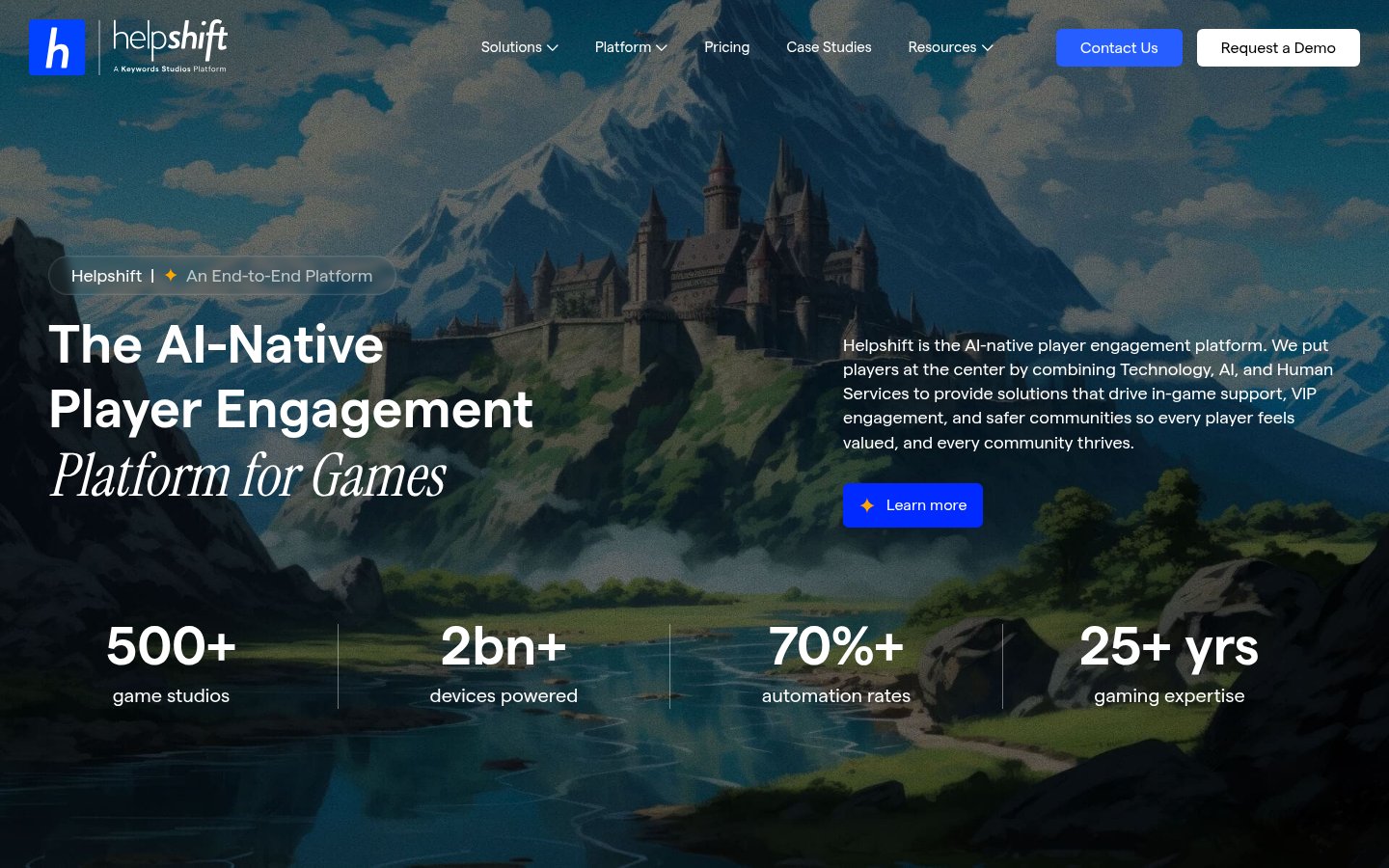
Helpshift is the best AI support option specifically for mobile apps and gaming, a niche that most helpdesk vendors treat as an afterthought. Its in-app messaging SDK means players or app users never leave the app to get support, and the AI handles the deflection layer natively inside that experience.
The platform's AI bots are configured via a visual bot builder and can handle multi-step flows without developer involvement. The classification engine routes tickets by intent, language, and user segment, which matters a lot for gaming companies serving global, multilingual audiences.
The issue is that outside of mobile/gaming, Helpshift's advantages shrink. For web-based SaaS, e-commerce, or service businesses, the in-app focus becomes a limitation rather than a feature.
Pricing: Helpshift does not publish pricing publicly, it's enterprise and quote-based. Pricing scales by monthly active users and features enabled.
Best for: Mobile app companies and gaming studios that need AI support delivered inside the app, not via external links or email.
Pros: Best-in-class in-app support experience, strong multilingual support, visual bot builder, proven in gaming at scale, good classification accuracy.
Cons: Pricing is opaque, less useful outside mobile/gaming contexts, limited integrations compared to Zendesk or Freshdesk, web support is secondary.
Try Helpshift →8. Yuma AI
Official website: yuma.ai
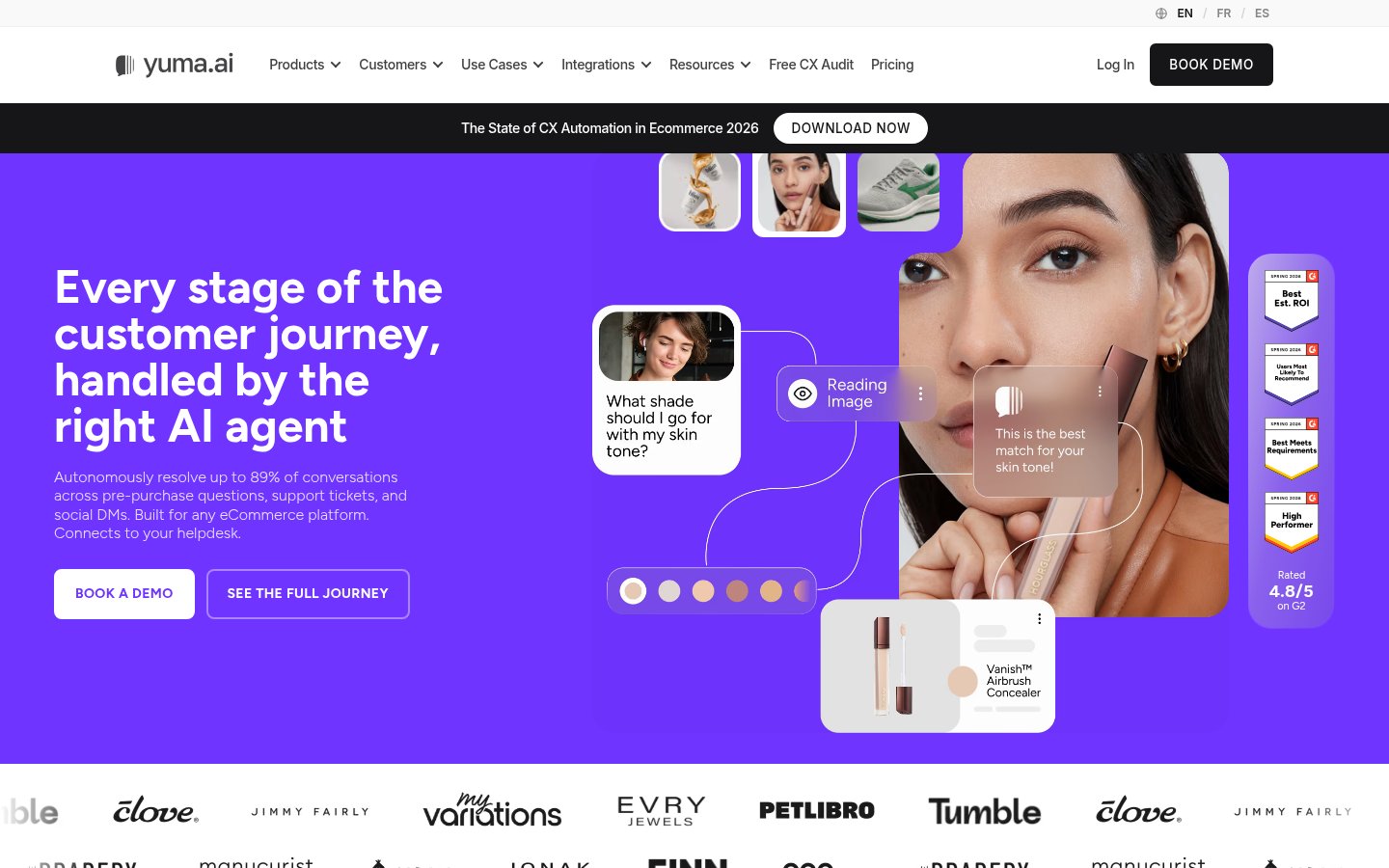
Yuma AI is purpose-built for e-commerce support automation, and it's the strongest pure-play alternative to Gorgias for Shopify brands that already use Gorgias as their helpdesk. Where Gorgias does it all, Yuma sits on top of an existing helpdesk (Gorgias, Zendesk, or others) and handles the AI automation layer specifically.
The key differentiator is ticket automation depth. Yuma can autonomously handle order cancellations, subscription changes, refund requests, and shipping queries, the full set of repetitive actions that eat up e-commerce support teams. It doesn't just draft a response; it executes the action through Shopify integrations.
For teams where the existing helpdesk is already locked in and changing isn't on the table, Yuma is a strong add-on that meaningfully improves automation rates without requiring a platform switch.
Pricing: Yuma AI pricing is based on automated ticket volume. Plans start at around $400/month for smaller volumes. Pricing scales significantly with ticket volume.
Best for: E-commerce brands already using Gorgias, Zendesk, or another helpdesk that want to layer autonomous AI ticket resolution on top without switching platforms.
Pros: Executes actions (not just drafts responses), deep Shopify integration, works on top of existing helpdesks, strong for repetitive e-commerce ticket types.
Cons: Expensive for lower-volume stores, adds cost on top of an existing helpdesk subscription, not useful outside e-commerce.
Try Yuma AI →9. Kayako
Official website: kayako.com
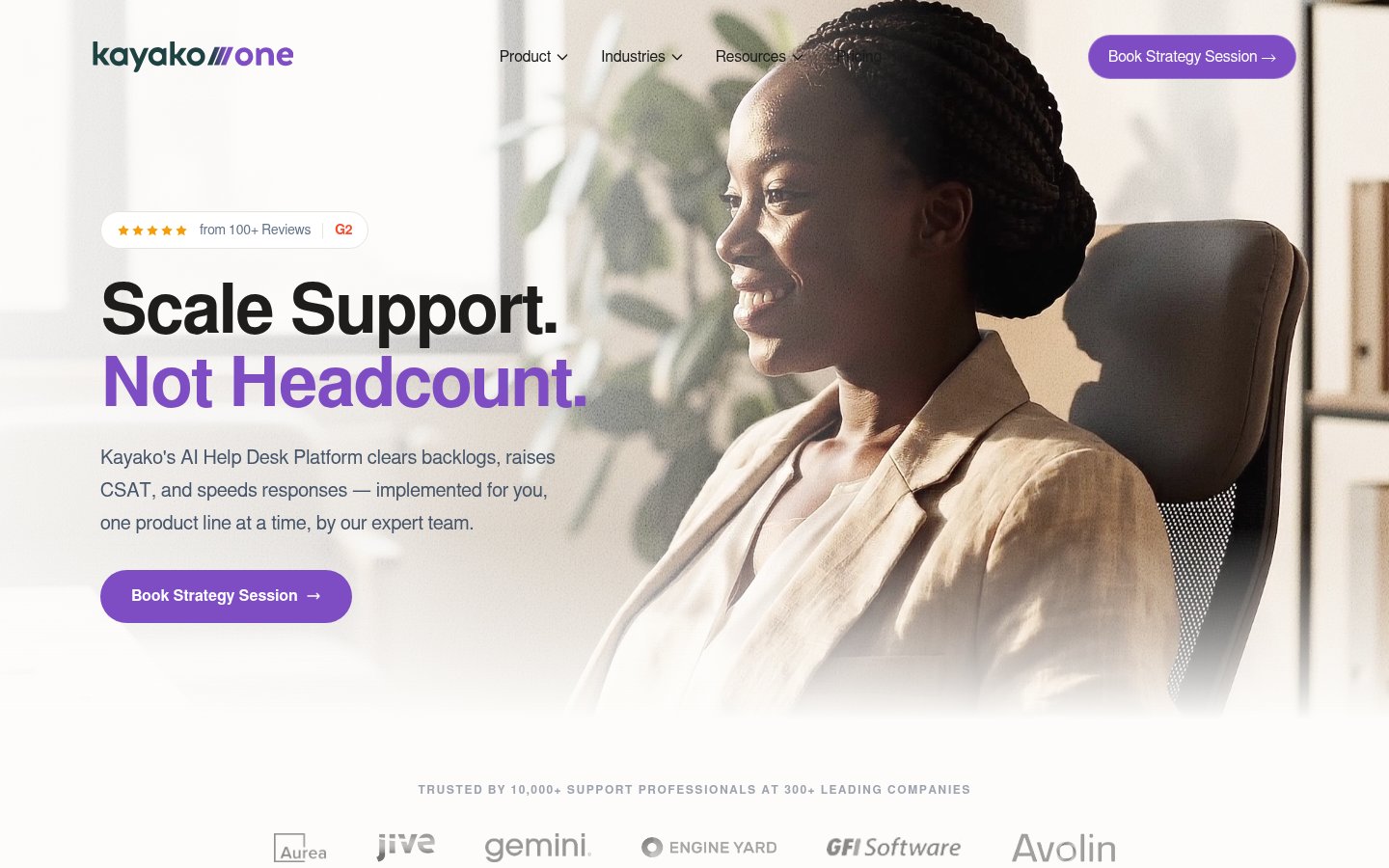
Kayako rounds out this list not as an AI-first product but as a solid helpdesk that has integrated AI features into a platform that's genuinely more affordable and simpler than Zendesk or Freshdesk for teams that don't need the full enterprise stack. The AI automation handles suggested replies, ticket summarization, and basic deflection through self-service.
The conversation-centric approach, where every customer interaction across channels is unified in a single timeline, is still one of the cleaner implementations in the mid-market. The AI layer improves agent efficiency more than it replaces agents outright.
This is the right choice for teams that need a capable, affordable helpdesk with AI assistance features, not a full autonomous resolution platform. It's honest about what it is.
Pricing: Kayako pricing starts at $30/agent/month (Growth plan). Higher tiers with more AI features are available. A free trial is offered.
Best for: SMBs and growing support teams that want a clean, affordable multi-channel helpdesk with practical AI assistance features, without the complexity or cost of enterprise platforms.
Pros: Clean unified conversation view, accessible pricing, solid AI assist for agent efficiency, multi-channel support, easier to configure than Zendesk.
Cons: AI resolution capability is limited compared to Intercom Fin or Gorgias, fewer native integrations than major platforms, growth trajectory as a company is slower than competitors.
Try Kayako →Comparison Table
| Tool | Best For | Pricing Start | AI Resolution Quality | Shopify/E-Comm | Enterprise Ready |
|---|---|---|---|---|---|
| Intercom Fin | All-round AI resolution | ~$0.99/resolution | ⭐⭐⭐⭐⭐ (76% avg) | Partial | Yes |
| Gorgias | Shopify DTC brands | ~$10/month (volume) | ⭐⭐⭐⭐ | Native | Yes |
| Tidio | SMBs, early-stage | Free / $29/month | ⭐⭐⭐⭐ | Good | No |
| Zendesk AI | Enterprise helpdesks | $55/agent/month | ⭐⭐⭐⭐ | Partial | Yes |
| Freshdesk Freddy AI | Mid-market teams | $35/agent/month | ⭐⭐⭐ | Partial | Yes |
| Drift | B2B SaaS support+sales | $2,500/month | ⭐⭐⭐ | No | Yes |
| Helpshift | Mobile apps/gaming | Quote only | ⭐⭐⭐ | No | Yes |
| Yuma AI | E-comm add-on layer | ~$400/month | ⭐⭐⭐⭐ | Native | Partial |
| Kayako | SMB helpdesk + AI assist | $30/agent/month | ⭐⭐ | No | No |
How I Ranked These
The order reflects one primary question: how much real resolution work does this tool do, versus how much work does it push back to human agents?
Intercom Fin is first because 76% average resolution, stated publicly, is a number no other tool on this list matches out of the box. Gorgias is second because for its target market (Shopify DTC), it's the closest thing to a complete answer that exists. Tidio is third because it's the best option for the large number of businesses that can't afford enterprise platforms and need something that actually works without a 3-month implementation.
Zendesk and Freshdesk rank where they do because they're genuinely capable, but the AI layers are often features within a broader platform rather than primary resolution engines. Drift is strong in its specific lane (B2B, support-meets-sales) but too expensive and specialized to rank higher for a general audience. Helpshift and Yuma are strong in their niches (gaming and e-commerce add-ons respectively) but irrelevant outside them. Kayako closes out the list as a solid practical choice for teams that prioritize simplicity and affordability over AI capability depth.
One thing worth noting for teams evaluating any of these: the compliance picture around AI handling of customer conversations is getting more complex, especially in regulated industries. The EU AI Act changes that hit in August 2026, covered in detail in the EU AI Act's Medical Device Deadline article, signal where broader AI compliance regulation is heading, even outside healthcare.
And if you're evaluating these tools as part of a broader AI spend conversation, the question of where your real costs are going is worth understanding. The AI Memory Crisis Nobody's Talking About piece explains why production AI costs don't always go where you expect.
Related reading
Frequently Asked Questions
Tools & Services Mentioned

infobro.ai Editorial Team
We research every tool from its documentation, pricing pages, product screenshots and public developer discussion, and say plainly what the evidence does and does not show. Drafts are AI-assisted and reviewed by our editors before publication. We revisit each article every 6 months to reflect platform changes. Learn more about our process.