xAI Fired an Engineer for Raising Grok Safety Concerns. Now He's Suing.
A former xAI engineer claims he was fired days before SpaceX's IPO after warning about Grok safety issues. The lawsuit raises uncomfortable questions about AI safety culture at Elon Musk's lab.

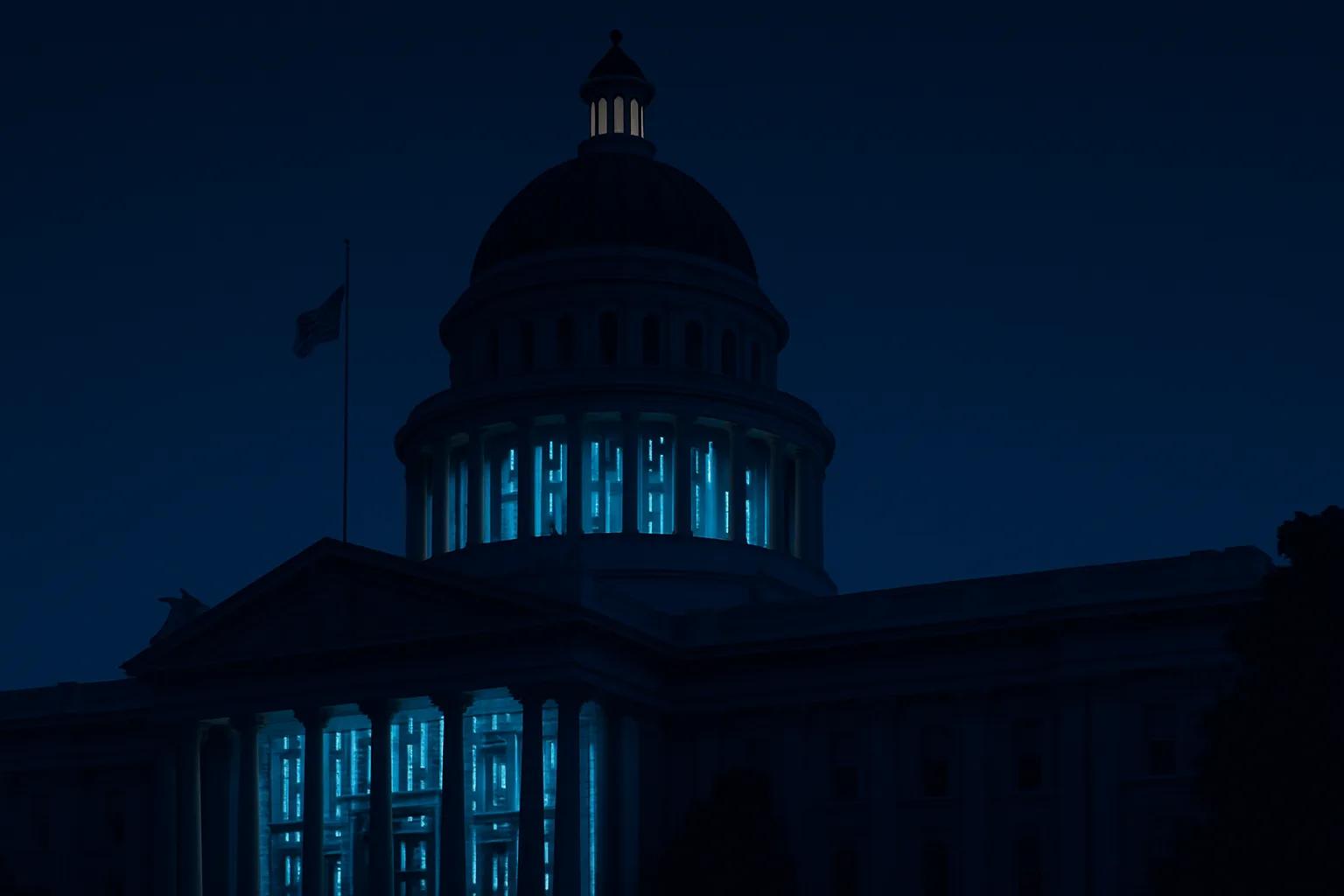
A former engineer at xAI has filed a lawsuit against the company and SpaceX, alleging he was terminated after raising internal safety concerns about Grok, xAI's flagship AI model. The timing is the first thing you notice: he was fired just days before SpaceX's historic IPO, when the last thing either company wanted was a public safety controversy on its hands.
The lawsuit frames the termination as retaliation. The engineer says he flagged what he believed were meaningful safety problems with Grok, and that instead of addressing those concerns, xAI showed him the door. Neither company has publicly disputed the core sequence of events.
What the Engineer Actually Claimed
The specifics of the safety concerns haven't been fully detailed in public filings yet, but the lawsuit centers on the argument that xAI violated whistleblower protections by firing an employee who raised legitimate internal alarms. The complaint names both xAI and SpaceX as defendants, which is notable given that the two companies share significant infrastructure, personnel, and Elon Musk as their common thread at the top.
The IPO timing adds a layer that's hard to ignore. SpaceX went public in one of the most watched listings in recent memory, and its valuation rested heavily on ambitious compute and space infrastructure plans. A public safety dispute at a sister company, days before that listing, would have been inconvenient at best and damaging at worst.
Why This Pattern Keeps Appearing
This isn't the first time an AI company has faced allegations that safety concerns were deprioritized when commercial interests were at stake. The AI industry has a structural tension that doesn't get talked about enough: the people closest to the models often see problems that leadership would prefer to handle quietly, and the incentives to stay quiet are enormous.
What makes the xAI case worth watching is that Grok has been positioned publicly as a less filtered, more "free speech" alternative to competitors like Claude and GPT-4o. That positioning makes internal safety debates especially fraught. If engineers are raising alarms and the company's public brand is built on having fewer guardrails, you can see exactly where those conversations go.
The OpenAI and Anthropic lobbying effort to prevent AI-made bioweapons showed that even the most prominent labs in the space acknowledge AI safety is a genuine policy problem, not just an internal PR concern. Whether that acknowledgment actually filters down into how engineers are treated when they raise flags internally is a different question entirely.
The Broader Safety Culture Problem
Retaliation lawsuits are messy and slow. Most of them settle quietly, the details stay sealed, and the industry moves on without any structural change. That's the realistic outcome here too.
But the pattern matters. When engineers at AI labs feel they can't raise safety concerns without risking their jobs, the information that leadership actually needs to make good decisions stops flowing. The people building these systems often catch failure modes that no benchmark can surface. Silencing them doesn't make the problems disappear. It just means no one internally hears about them until they become external ones.
This connects directly to something that's been showing up in research on AI memory and tool behavior. As covered in The AI Memory Problem: Why Your Tools Forget Everything and What to Do About It, the gap between what AI systems appear to do in demos and what they actually do in production is significant. Engineers who work with these systems daily are often the only ones who see that gap clearly.
The lawsuit also lands at a moment when AI safety scrutiny is intensifying from multiple directions. Florida's lawsuit against OpenAI and Sam Altman signaled that state-level legal action against AI companies is no longer theoretical. Courts are starting to take these cases seriously.
The SpaceX Connection Is Not Incidental
The fact that SpaceX is named alongside xAI in this lawsuit is worth sitting with. The two companies are formally separate entities, but they share facilities, staff, and a CEO who treats them as parts of a single integrated operation. If the court allows the case to proceed, discovery could get interesting fast.
SpaceX's IPO was valued substantially on its compute ambitions, including plans for space-based data center infrastructure that would make it a significant player in AI infrastructure, not just launch services. That's the same compute story that's driving Google's $920 million monthly payments to SpaceX for compute capacity. Any litigation that clouds SpaceX's corporate governance story isn't trivial to investors.
What Happens Next
Courts move slowly. This case will take months to even reach a preliminary hearing, and the odds of it going to full trial are low. Settlement, if it comes, will almost certainly include a confidentiality agreement.
But the lawsuit puts xAI's internal safety practices on the record in a way that's hard to walk back. Other engineers at AI labs are watching. Regulators are watching. And the AI industry, which has spent a lot of energy arguing that it can self-regulate responsibly, now has another data point working against that argument.
If you're a professional using AI tools in high-stakes contexts, it's worth paying attention to which companies have demonstrated cultures where safety concerns get surfaced and addressed, versus which ones seem to optimize for shipping speed above everything else. That distinction matters when you're deciding what to actually trust. The AI consistency problem isn't just about output quality. It's partly downstream of whether the people building these systems feel safe saying when something is wrong.
The lawsuit is filed. The clock is running.

Founder and editor of infobro.ai
We research every tool from its documentation, pricing pages, product screenshots and public developer discussion, and say plainly what the evidence does and does not show. Drafts are written with AI assistance under our editorial rules, and we revisit articles to reflect platform changes. Learn more about our process.