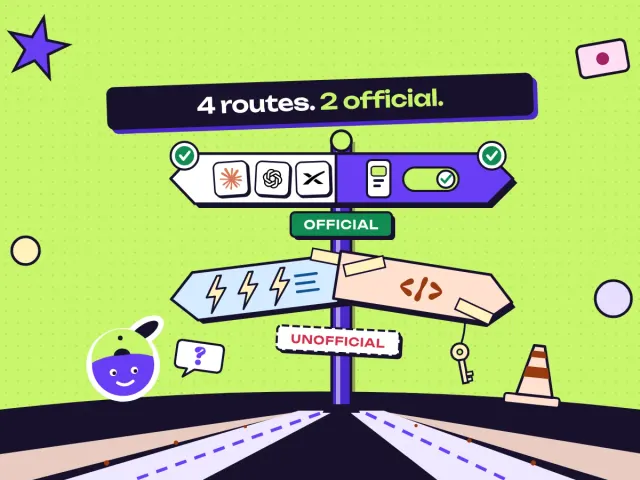
Ecommerce Limitless Artificial Intelligence Review and Scam Check
ELAI is an unverified ecommerce offer sold by email, so treat it with high caution. It has nothing to do with Limitless AI, the Pendant company Meta bought. This review covers what the public record shows, what changed for Pendant owners and when, and the FTC-based checks to run before you pay.
 Stanislav VovchykNov 11, 202610 min read
On this page · 6 sections
In short
- ELAI is an unverified ecommerce offer sold by email with no named company, price or customer results, so don't pay until the seller passes basic checks.
- ELAI has nothing to do with Limitless AI, the Pendant maker Meta acquired on December 5, 2025, which no longer sells the Pendant to new customers.
- Before paying any AI ecommerce offer, confirm a registered company, domain age, written basis for income claims and refund terms, and pay by credit card only.
- Skip ELAI and spend $10 to $40 a month on one tool for your slowest job; on Shopify, Sidekick is included from the $29/mo Basic plan.
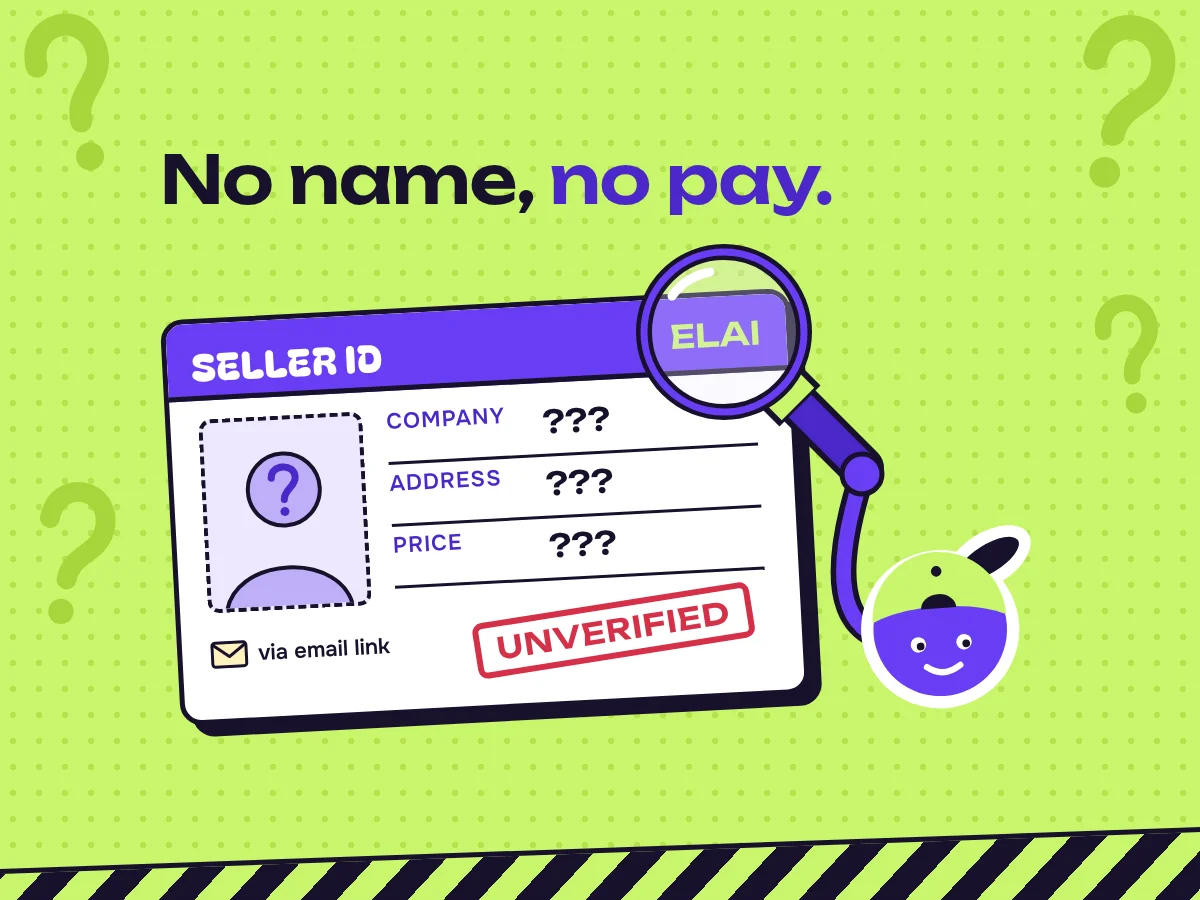
Ecommerce Limitless Artificial Intelligence (ELAI) is an unverified ecommerce offer sold by email, and I'd treat it with high caution. It is not Limitless AI, the Pendant maker that Meta bought. It also has nothing to do with the generic "e-commerce limitless AI" blog posts about inventory and supply chains. The public sources on ELAI are a Reddit r/Scams thread and two unsigned Facebook pages. None of them names a company, gives a price or shows a single customer result, and none of them shows fraud either. My verdict: don't pay until the seller passes the checks below.
Which "Limitless" did you mean?
| What you saw | What it is | Who runs it | Where to go |
|---|---|---|---|
| "ELAI" or "Ecommerce Limitless Artificial Intelligence," reached by at least one person through an AWeber email link | An ecommerce offer of unknown type | No company name in the public sources | The next two sections |
| Limitless AI, Limitless Pendant, limitless.ai | A wearable recorder with AI meeting notes | Limitless, now owned by Meta | The section on Limitless after the Meta deal |
| "E-commerce limitless AI" blog posts, such as the Netscribes piece on inventory and supply chain | Generic marketing about AI in retail | Various agencies | The last section, on what AI does for a store |
ELAI has nothing to do with Limitless AI. Pendant reviews and news about the Meta deal tell you nothing about the ELAI offer, so don't let a seller use either one as a reference.
What ELAI's public trail shows, verified and unverified
The most visible record is a Reddit r/Scams post titled "Is anyone familiar with ELAI - Ecommerce Limitless Artificial Intelligence?" The poster shared the link they had received. It was an AWeber click-tracking URL, which means the offer reached them through an email marketing list. I'm not reproducing that link, and you shouldn't click it.
Here is where each claim stands:
- Verified: at least one recipient was suspicious enough of ELAI to ask about it on r/Scams.
- Verified: ELAI has been promoted through at least one AWeber email-tracking link.
- Unverified: who sells ELAI, where the company is registered, what exactly it sells and what it charges. Neither the Reddit thread nor the Facebook pages give a company name, an address or a price. Before paying anything, ask the seller in writing for the total cost over twelve months, including upsells.
- Unverified: any income or sales result. No public source documents what happened to a buyer.
- Weak: two unsigned Facebook "answers" pages titled "Ecommerce Limitless Artificial Intelligence Review" and "Elai Ecommerce Limitless Artificial Intelligence Review." They read like generic copy. One explains dynamic pricing in general terms. Neither reviews anything a buyer paid for.
So is ELAI a scam? None of these sources shows fraud, and I won't call it one. It does have warning signs: it's sold through an email funnel, the seller isn't named, and the name sounds like a known brand. On this evidence I'd call it unverified and high-caution.
Checks to run before paying for any AI ecommerce offer
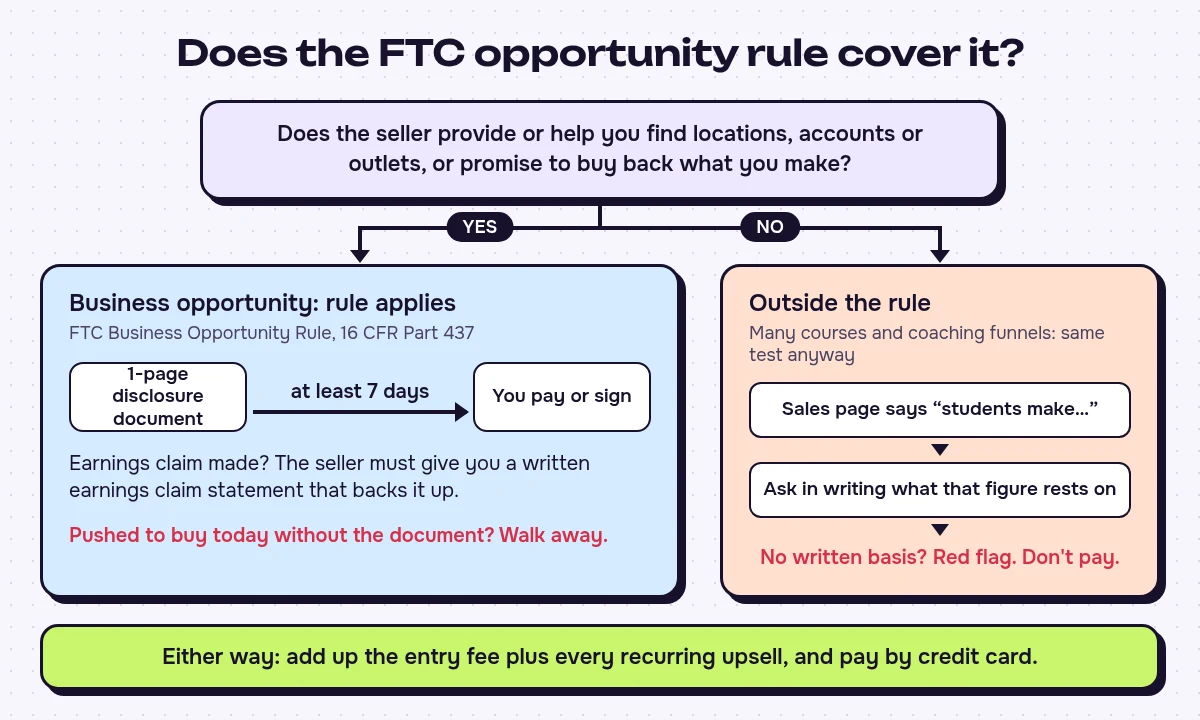
These apply to ELAI and to any offer like it. Two of them refer to the FTC's Business Opportunity Rule (16 CFR Part 437). The rule covers an offer only if the seller provides or helps you find locations, accounts or outlets, or promises to buy back what you make. Many courses and coaching funnels fall outside it.
- Find a named legal entity and a physical address. Then look the company up in the state business registry. "ELAI Team" is not a company.
- Check the domain's age. A WHOIS lookup shows when the domain was registered. If it was registered a few weeks before the email reached you, walk away.
- Ask for a written basis for any income claim. If the offer is sold as a business opportunity under the FTC rule and the seller makes an earnings claim, they must give you an earnings claim statement that backs it up. A course may fall outside the rule, but the test still works. If a sales page says "students make..." and the seller can't show you in writing what that figure rests on, treat it as a red flag and don't pay.
- Read the refund terms before checkout. They should be in writing, with a time limit and a named contact. A refund that depends on results, where you have to prove your effort, is hard to claim.
- For a business opportunity, get the disclosure document and wait the 7 days. For offers the rule covers, the seller must give you a one-page disclosure document at least 7 days before you pay or sign. If a seller promises to find you accounts, outlets or locations and then pushes you to buy today without that document, walk away. Whatever kind of offer it is, add up the entry fee and everything recurring. Many course funnels sell a cheap entry product, then upsell coaching, software or "done-for-you" stores.
- Look for independent reviews. Search Trustpilot and the Better Business Bureau under the seller's legal entity name. Testimonials on the seller's own site don't count.
- Pay by credit card, not crypto, wire or gift card. Card networks give you dispute rights when goods or services aren't as described. Crypto, wire transfers and gift-card payments are almost never recoverable once sent.
If you've already paid and want your money back, ask the seller for a refund in writing and keep the reply. If that fails, dispute the charge with your card issuer as "not as described." Also report the offer to the FTC and to your state attorney general, especially if it made earnings claims it couldn't back up.
Limitless after the Meta deal
If you meant the Pendant, here is the timeline from Limitless's own acquisition note on limitless.ai:
- December 5, 2025: Limitless announced that Meta had acquired it.
- New customers: the Pendant is no longer sold to them.
- Existing owners: the Unlimited plan is now free, and Limitless promised to keep supporting the Pendant for at least a year.
- Rewind and other non-Pendant features: shut down.
- EU and UK: service ended, with a data export deadline of December 19, 2025.
Before the deal, the Pendant sold for $199 and the Unlimited plan was a paid add-on. Moe Lueker's Pendant review on his blog confirms the $199 price and that the Unlimited plan is now free for owners. Lueker wore the Pendant for five days and wrote that it replaced his patchwork of note apps. Before you plan around the free plan, ask support to confirm in writing that it applies to your account.
Can you still buy one, and is a used Pendant worth it? New sales have stopped, and I wouldn't buy a used one. The device depends on a service Meta now owns, and support is promised for a year, not indefinitely. If someone offers you one, first ask Limitless support whether a second-hand Pendant can be activated on a new account. If you want ambient meeting notes that won't disappear when a company is sold, use a tool that runs on your own machine. We list options in Open-Source Otter AI Alternatives That Run on Your Own Machine.
Exporting or deleting your data: in the US, ask Limitless support for the exact export method and the file format you'll receive, and get the answer in writing. Do it while the service still runs. Then send a written deletion request and keep copies of the request and the reply. In the EU or UK, the December 19, 2025 export window has closed. You can still send a written deletion request and ask what data the company holds about you.
What AI does for an online store, at public prices
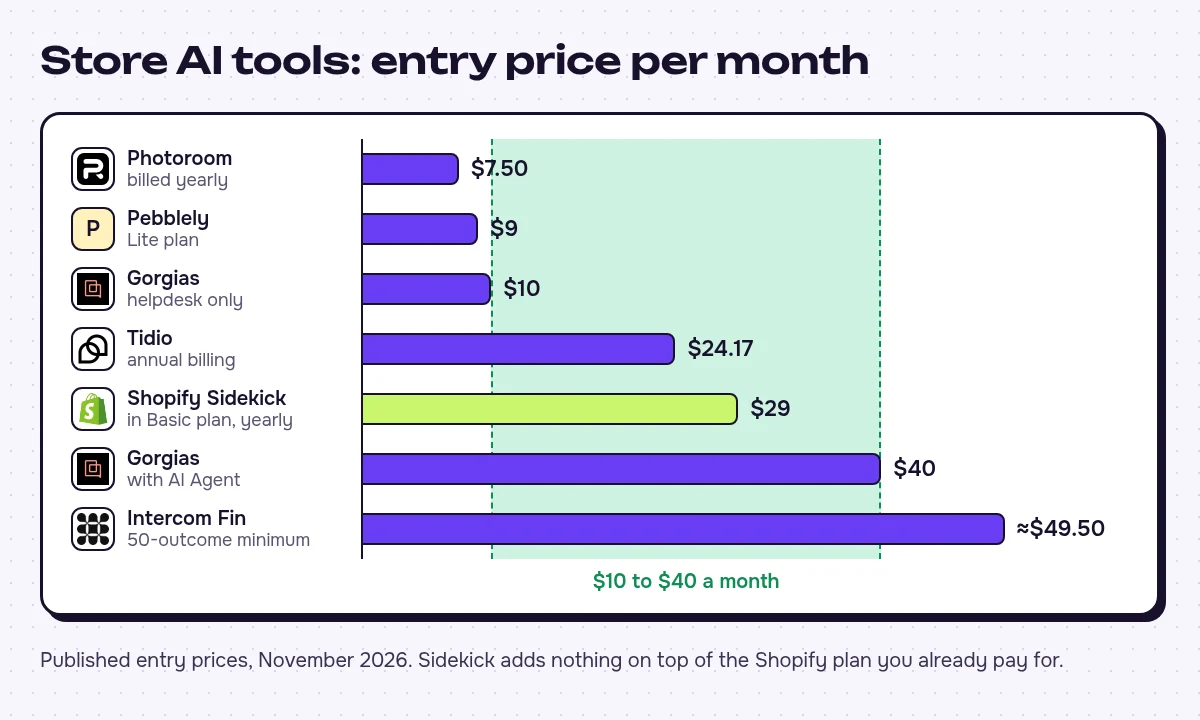
If an offer like ELAI appeals because you want AI to handle store work, tools built for specific jobs publish their prices, and those prices are low. Here are a few e-commerce tools from our catalogue, at their November 2026 prices:
| Tool | Job | Entry price |
|---|---|---|
| Photoroom | Product photo backgrounds and edits | $7.50/mo billed yearly ($12.99 monthly) |
| Pebblely | Product photos with generated backgrounds | $9/mo (Lite) |
| Tidio | Live chat with AI answers | $24.17/mo, annual billing |
| Shopify Sidekick | AI assistant inside the Shopify admin | Included in Shopify plans from Basic, $29/mo yearly ($39 monthly) |
| Gorgias | Ecommerce helpdesk | $10/mo helpdesk only, $40/mo with AI Agent |
| Intercom Fin | AI support agent | $0.99 per outcome, 50-outcome monthly minimum (about $49.50/mo) |
A course that charges hundreds of dollars to "teach AI ecommerce" costs more than a full year of Photoroom's entry plan, which is $90 billed yearly.
Check the privacy terms before you upload anything. Photoroom and Intercom Fin both train on customer content unless you opt out. Hypotenuse AI, which writes product copy and catalog content, says it doesn't train on customer content, but it only quotes prices on request.
Does AI help a store make sales? The Facebook answers page titled "Ecommerce Limitless Artificial Intelligence Review" gets one thing right: AI works best when you feed it real customer data and use it to speed up execution, not to replace strategy. It won't pick your products, fix a thin margin or find buyers who aren't already looking. Support bots answer from your own help content and order data. Photo tools need decent source shots. Copy tools write generic descriptions unless you give them your real specs, and you need to check every figure they produce. If product copy is your bottleneck, Which AI Is Better Than ChatGPT for Writing, by Type of Draft compares the options.
I'd skip ELAI and spend the money on one tool in the $10 to $40 range that fixes your slowest job this month. On Shopify, I'd start with Sidekick. It's included in Shopify plans from Basic ($29/mo billed yearly), so it costs nothing on top of the plan you already pay for.
FAQ
I paid for an AI course months ago. Is it too late to dispute the charge?
Possibly not. Card dispute windows run from the transaction or delivery date and differ by issuer, so call yours this week and ask for the exact deadline. Have the receipt and a screenshot of the sales page ready when you call.
The seller wants my store login or ad account to "set up the AI." Should I hand it over?
Don't share your owner login or your payment details. If an offer genuinely needs access, create a separate, limited account that you can revoke, and remove it as soon as the work is done. If a seller insists on full owner access, stop there.
The offer says it's "powered by ChatGPT" or another well-known AI. Does that make it safer?
No. Any seller can build on a well-known model without that company checking or endorsing them. Ask what you get beyond a subscription you could buy directly from the AI company. If the answer is mostly templates and income promises, keep your money.
Tools in this article 3



Written by
Stanislav Vovchyk
Founder and editor of infobro.ai
I run infobro.ai: I decide what it covers and how tools are evaluated.
I research every tool from its documentation, pricing pages, product screenshots and public developer discussion, and say plainly what the evidence does and does not show.
More guides


Guide
What Is MCP? How ChatGPT and Claude Connect to Your Apps, and What Can Go Wrong
Nov 3, 2026 · 10 min read