G
 GG
Google's AI assistant for chat, research, images, video and everyday tasks

 P

 N
AI research notebook that answers questions from the sources you upload

 S
Free AI-powered search engine for scientific papers across all fields

Stock research, analyst articles, quant ratings and market news for investors

 A
AI market intelligence across filings, broker research and expert calls

 C
AI search engine that answers questions from peer-reviewed research papers
AI search engine that answers questions from peer-reviewed research papers

 E
AI research assistant for paper search, systematic reviews and evidence reports
AI research assistant for paper search, systematic reviews and evidence reports

 H
AI analyst and document research grid for investors, bankers and lawyers

 W

 C
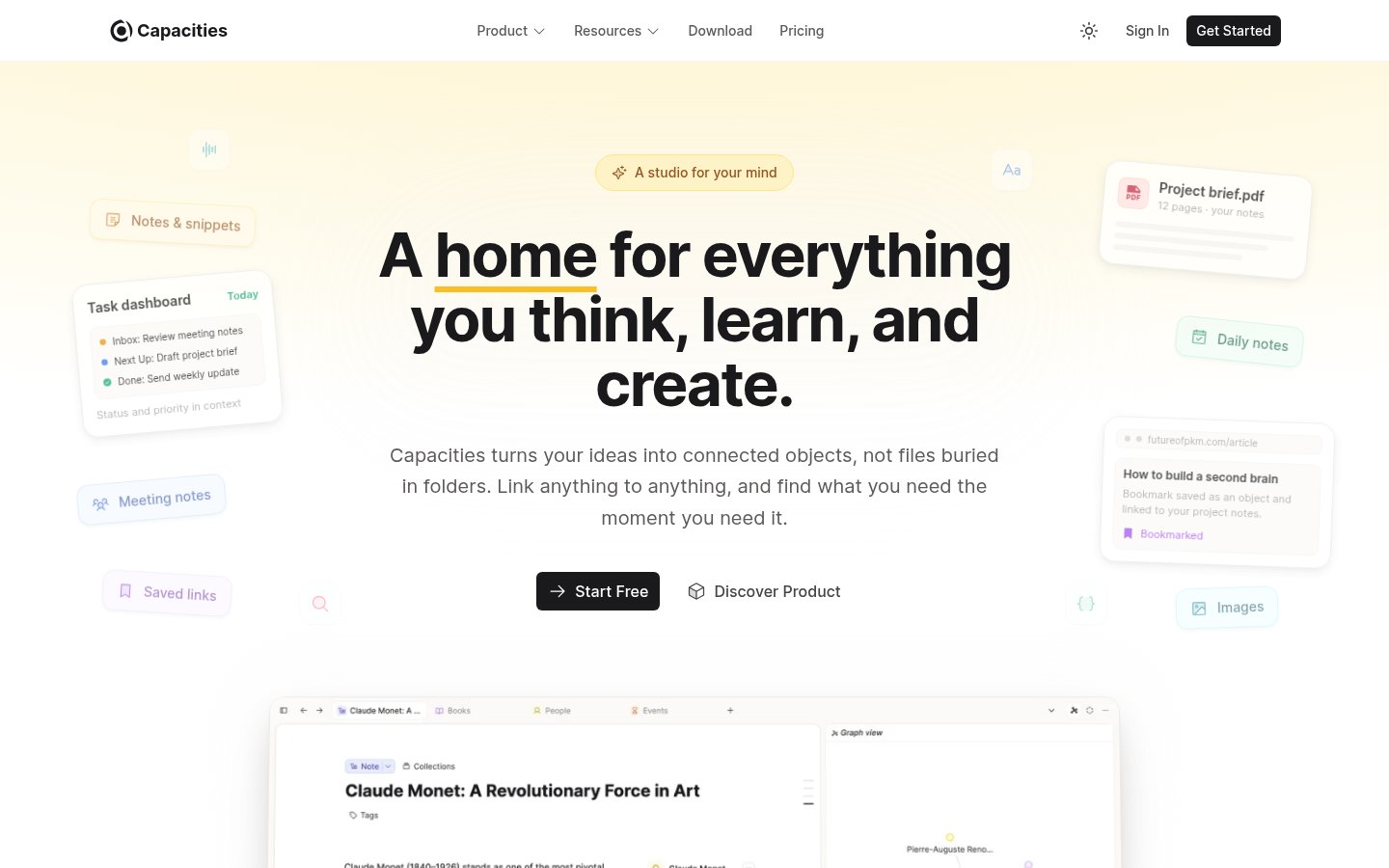
Note-taking app that organizes ideas as linked objects instead of folders
Note-taking app that organizes ideas as linked objects instead of folders
 L

 R
AI agents and research platform for investment banks and investors
 K
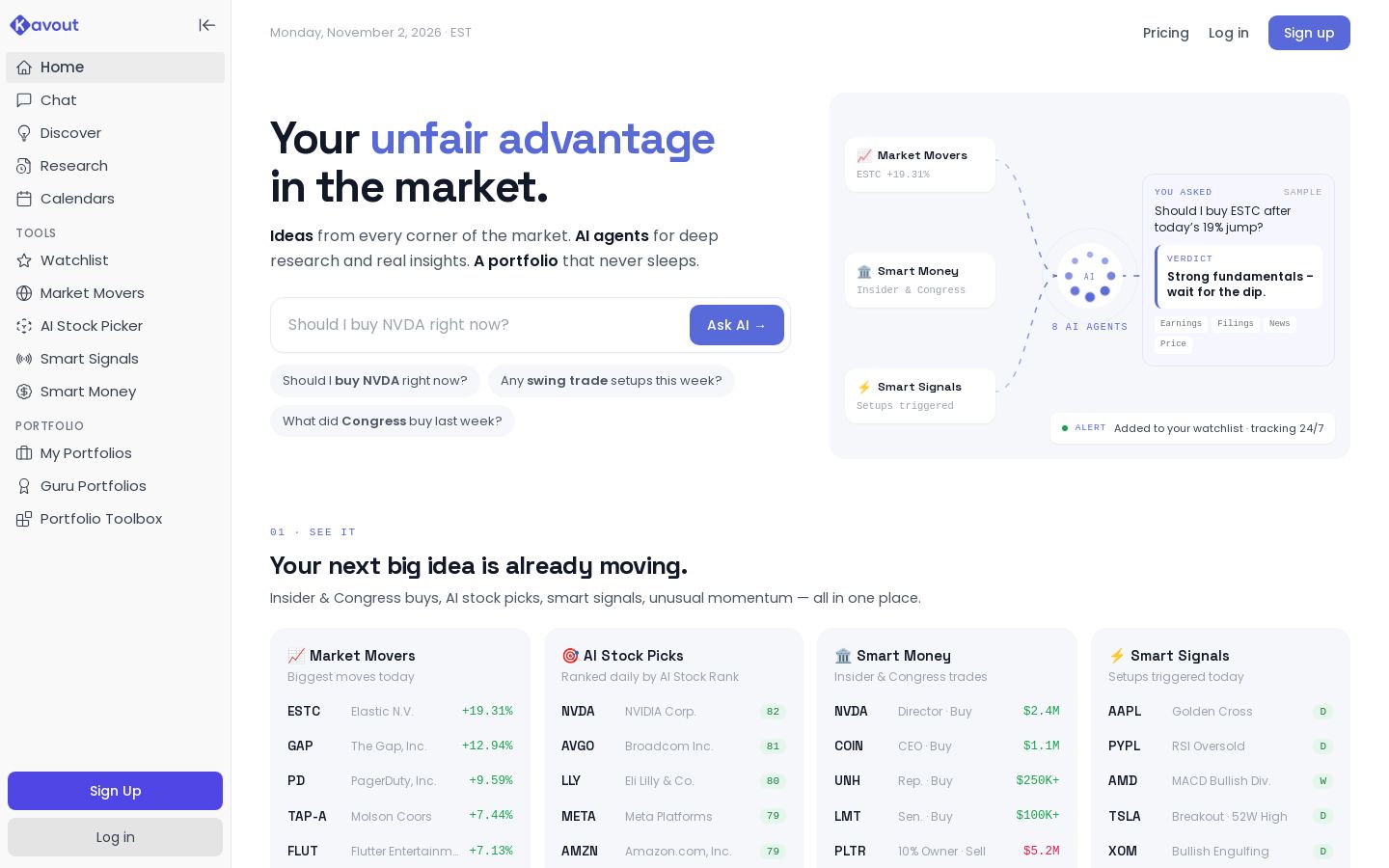
AI research agents and stock-picking tools for individual investors
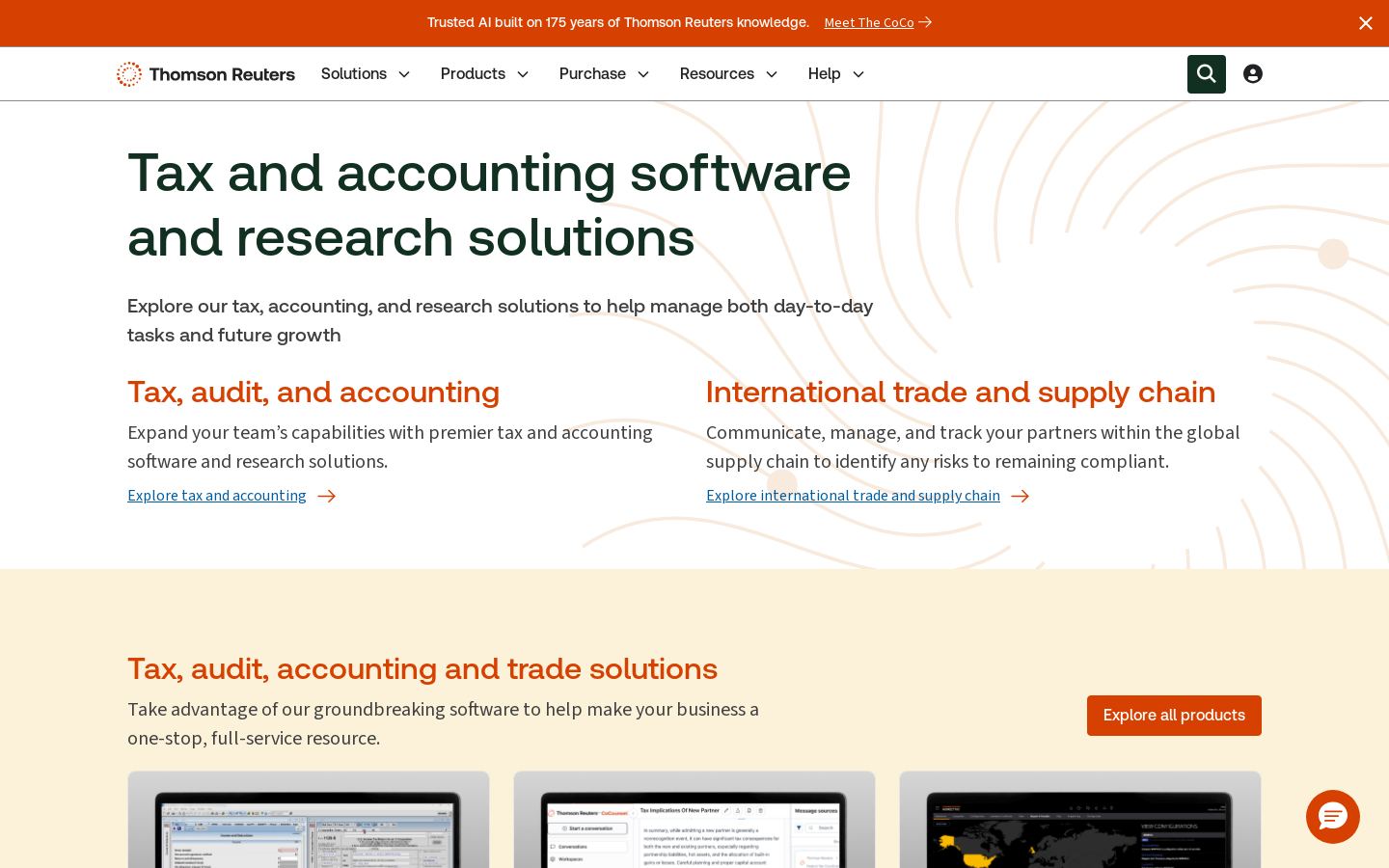
Tax research platform with AI answers and an assistant for tax professionals

 T
AI tax research with cited answers from Checkpoint content for tax professionals
AI tax research with cited answers from Checkpoint content for tax professionals

 C
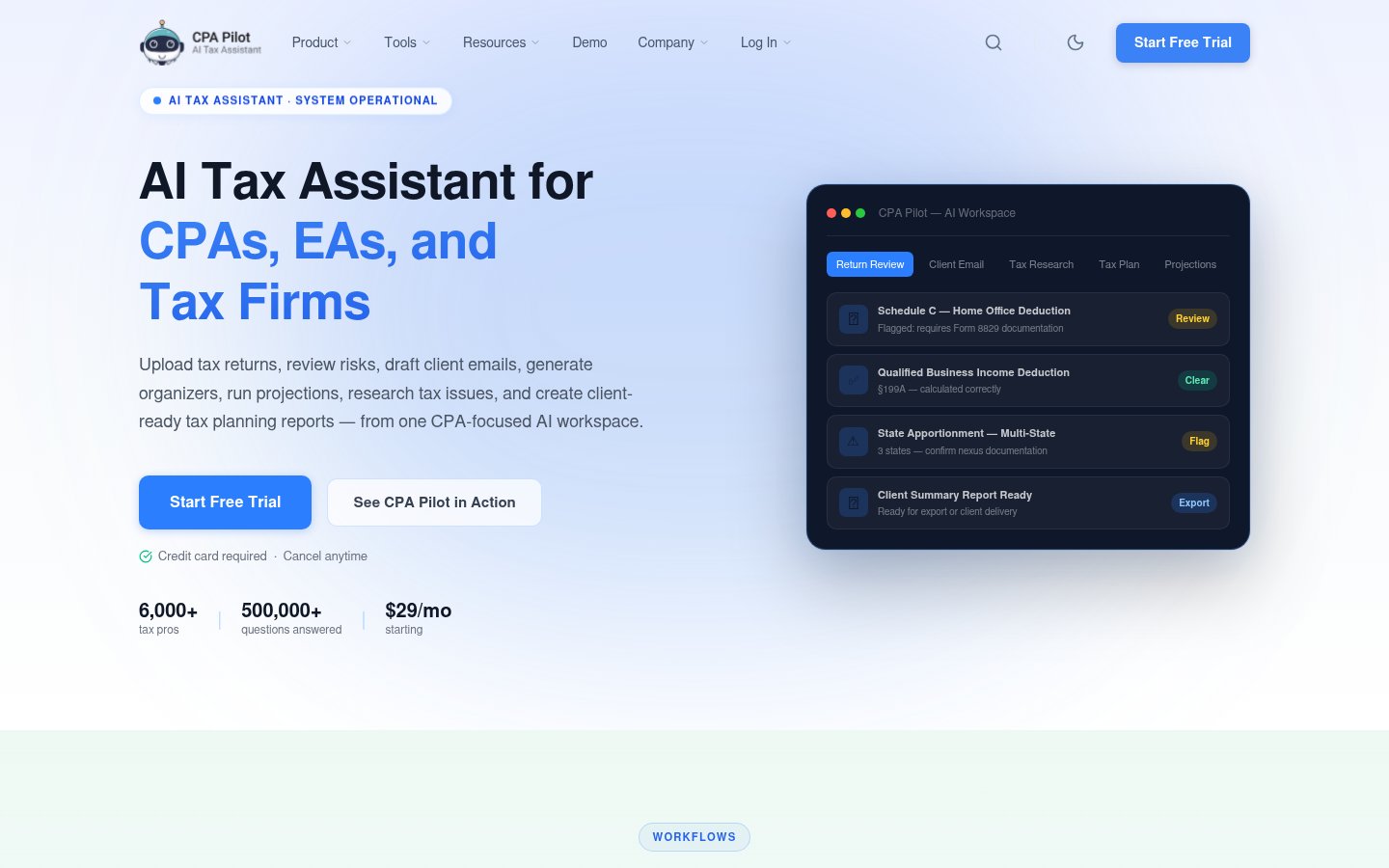
AI tax workspace for U.S. CPAs, EAs and tax firms: review, research, planning
 I
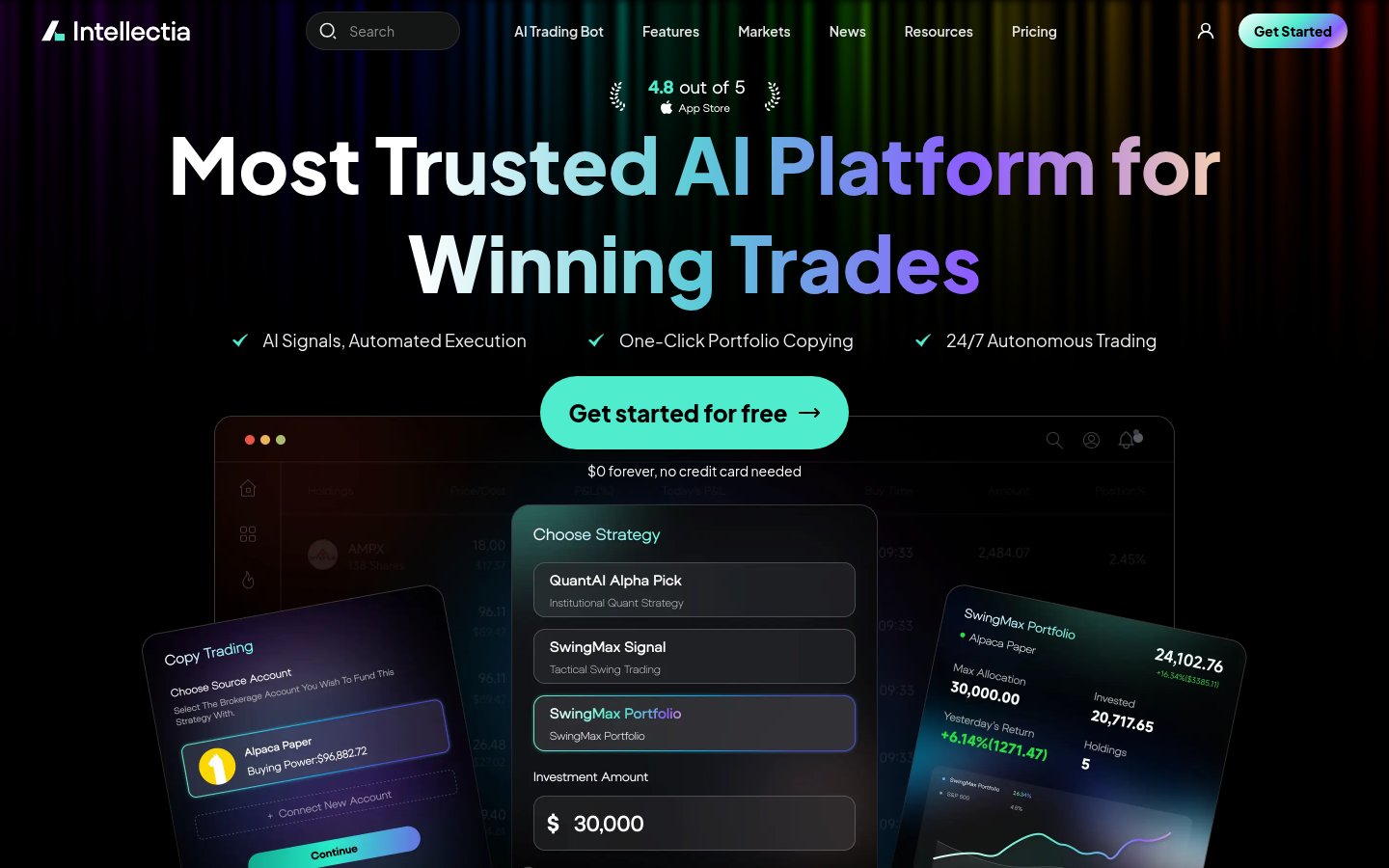
AI stock picks, trading strategies and market analysis for retail investors
AI stock picks, trading strategies and market analysis for retail investors

 D
From each vendor's own pages, re-checked every two months. Of 9 tools we checked, 2 of 3 that state a policy don't train AI on your content.
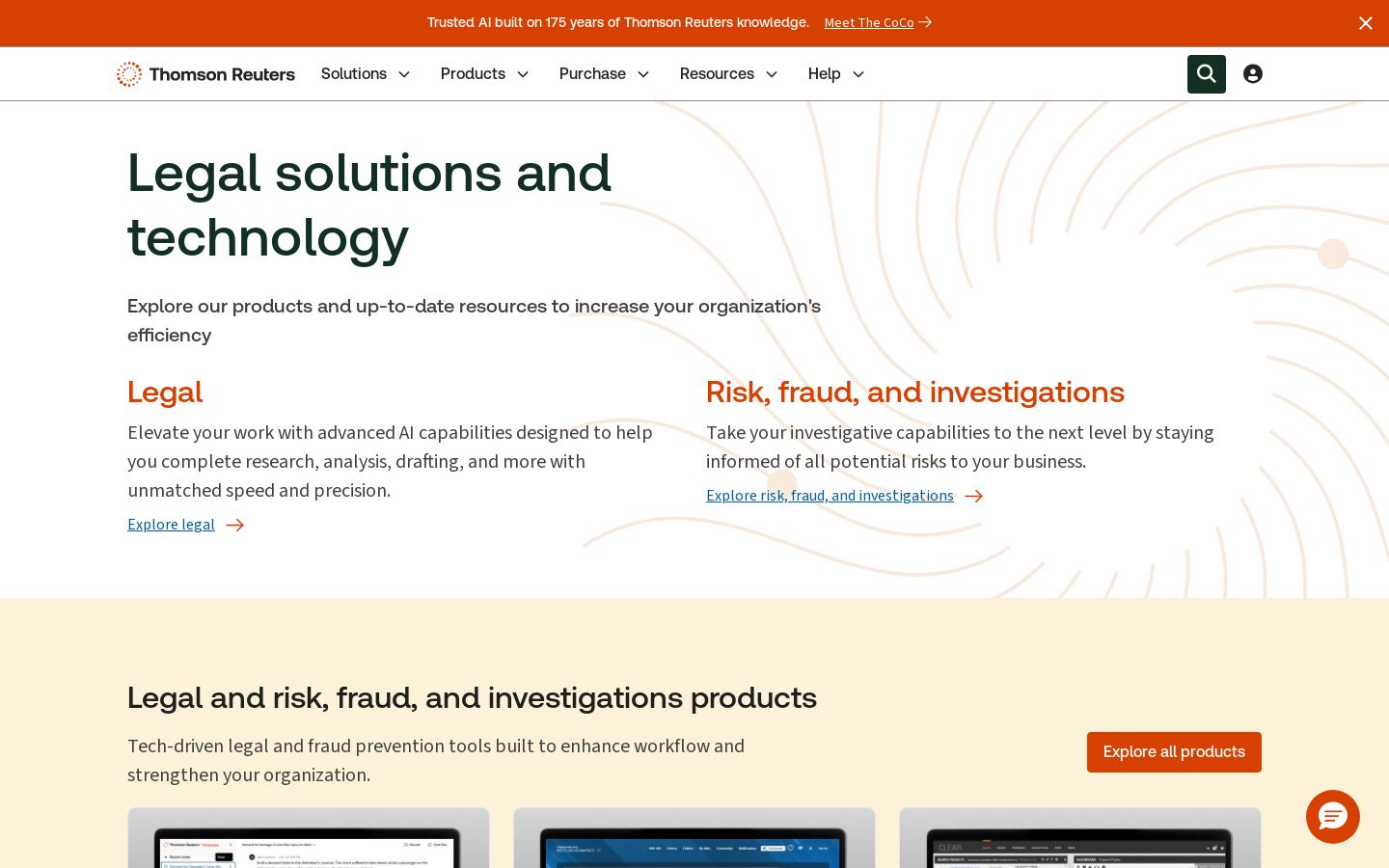
Start with the kind of source you need, because that separates these tools more than anything else. For academic literature, Semantic Scholar, Elicit and Consensus all work with scientific papers, while NotebookLM answers questions from sources you upload. Legal and tax work has its own group: Westlaw Precision, Lexis+ AI, Bloomberg Tax and Thomson Reuters Checkpoint Edge are built for professionals in those fields. For general questions, look at Perplexity AI, Gemini or Google.
Next, check the pricing model. Semantic Scholar, Google and Zotero are free. Elicit, Consensus and NotebookLM are freemium, while most of the legal and tax platforms ask you to contact the vendor for pricing.
If you plan to build on a tool, look for API access, which Semantic Scholar, Elicit, Consensus and Perplexity AI all list.
Finally, consider how you'll manage research over time. Zotero is open source and runs on web, desktop and mobile for collecting, annotating and citing sources. Capacities offers linked notes across a similar range of platforms. We haven't tested these tools, so confirm the details with each vendor.
Semantic Scholar is a free AI-powered search engine for scientific papers. Zotero and Google are also free, though Zotero is a tool for collecting, organizing and citing research rather than an AI assistant, and Google is a general web search engine. NotebookLM, Gemini, Elicit and Consensus are freemium, so each has a free tier alongside paid options.
Where we list a starting price, it ranges from $9.99/mo for Capacities to $49/mo for Elicit, with Consensus from $20/mo and CPA Pilot from $29/mo. Westlaw Precision, Lexis+ AI, Darrow AI, Bloomberg Tax and Thomson Reuters Checkpoint Edge ask you to contact them for pricing. Perplexity AI is listed as paid, but we don't have a starting price for it.
First, make sure it covers your sources: scientific papers, legal content, tax content or the documents you upload. Then compare pricing, API access if you need to build on it, and platform support. Zotero and Capacities offer web, desktop and mobile options, while many of the other tools here are listed as web-based. For systematic reviews, Elicit lists that use directly.
Consensus is the closest alternative on this list, answering questions from peer-reviewed research papers. Semantic Scholar is a free option for searching scientific papers across all fields. If you already have your sources, NotebookLM answers questions from the material you upload, and Zotero can help you collect, annotate and cite it.